
How to Prepare for Actor Headshots: 3 Questions to Ask Before Your Session

A strong actor headshot isn’t just about looking good on camera. It communicates the types of characters you naturally play, the kinds of projects you want to be considered for, and the qualities you want the image to convey.
Before you step into a session, taking a few minutes to clarify your goals can give the shoot a clearer direction.
As a headshot photographer, I walk clients through this process as part of planning their sessions. These questions help you approach your session with intention so your images become usable, intentional marketing materials, not just nice pictures.
Why Clarity Before a Headshot Session Matters
Actors often show up wanting “a variety of looks” or “whatever works,” but I’ve found that specificity gives the session a clearer creative direction.
When you know the story you’re telling, everything becomes easier:
wardrobe choices, color palette, emotional beats, and the overall tone of the image.
Without clarity:
You try to cover too much ground
You get general, unfocused photos
Your intended casting direction may be less clear
With clarity:
Your expressions feel grounded
Your images align with the roles you’re targeting
You create images with clearer distinctions between looks
These questions help you get there.
If you’re preparing for new submissions, you can learn more about my Los Angeles actor headshot sessions and how they’re structured for casting.
What Kinds of Projects Do You Want to Audition For?
Your headshots should reflect the world you want to work in.
Are you aiming for:
Multi-cam comedy?
Gritty dramas?
Indie films?
Commercials?
Procedurals?
Different genres require different tones.
A grounded, dramatic headshot feels nothing like a bright commercial one.
A comedic “best friend” look won’t match the energy of a procedural detective or a sci-fi lead.
When you think in terms of actual projects—not abstract ideas—it becomes much easier to build looks that feel intentional and believable.

What Adjectives Describe How You Want to Appear?
For each look, choose 3–5 words that describe what you want each image to communicate.
Examples include:
Warm
Quirky
Tough
Intellectual
Approachable
Intense
Confident
Offbeat
Compassionate
These adjectives guide:
Expression
Body language
Lighting
Wardrobe
Color palette
If “approachable” is one of your words, your expression and styling should reflect that.
If “authoritative” is one, the energy shifts completely.
These choices help you stay connected to a specific tone during the session so the images feel truthful and consistent.

Which Working Actors Share a Similar Energy or Lane?
This is not about comparison. It’s about market awareness.
Casting directors often cast within archetypes, and looking at working actors who share a similar presence can help you understand your lane.
Ask yourself:
Whose roles feel similar to what I audition for?
Who shares my energy or sensibility?
Whose casting trajectory feels close to mine?
Using actors as reference points helps anchor your choices.
For a deeper look at defining your casting lane, see How to Identify Your Casting Type for Actor Headshots.
If someone books roles similar to what you want, studying their wardrobe, tone, and emotional beats can help you design looks that fit your authentic range, not mimic theirs.
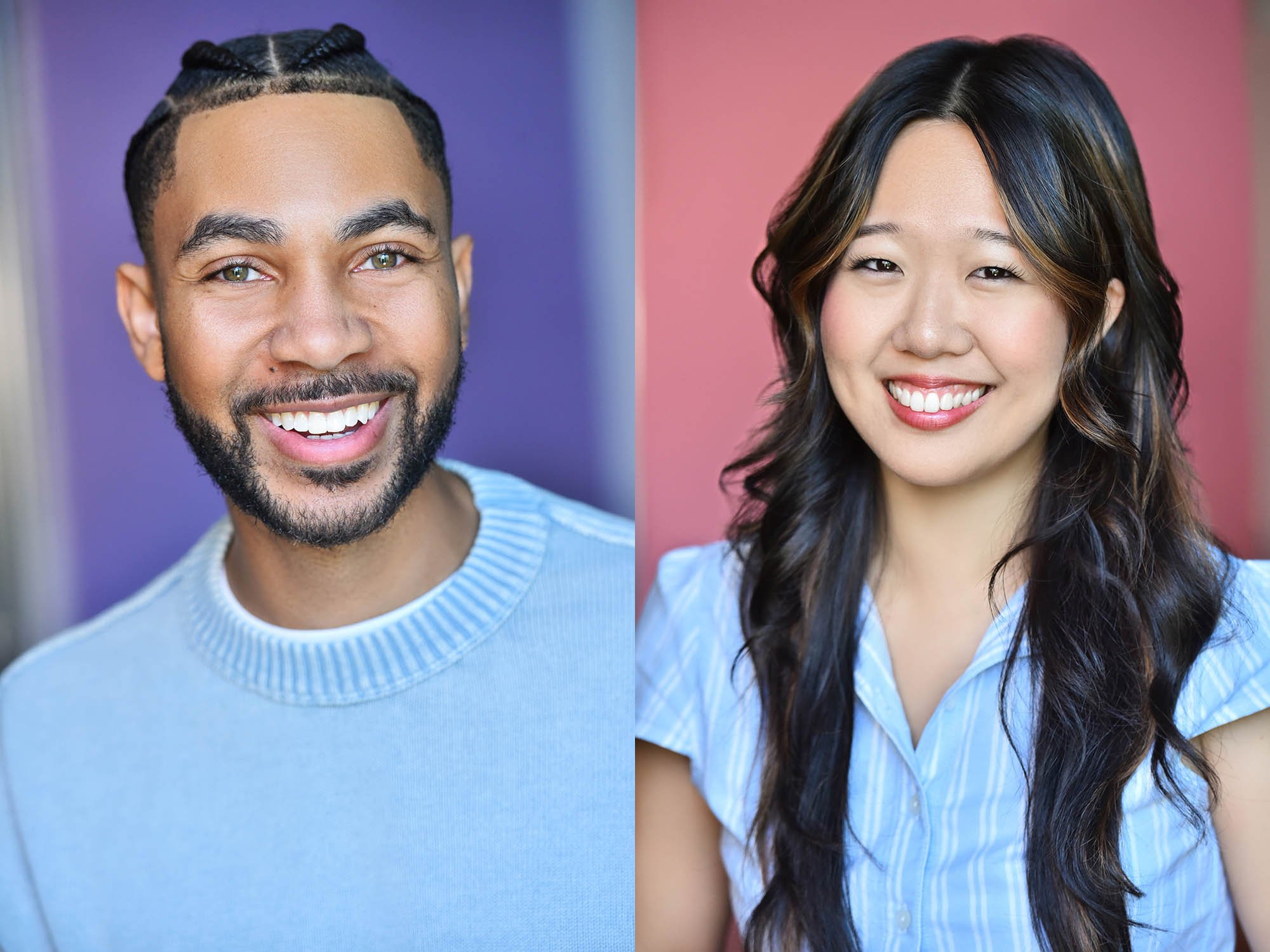
How to Use Your Answers During the Session
Once you define your projects, adjectives, and reference actors, translate that information into practical decisions:
Wardrobe: Colors and styles that match your story
Expression: Emotional beats tied to your adjectives
Backgrounds: Environments that fit your tone and casting
Lighting: Bright and friendly vs. dramatic and moody
Variation: Focus on distinct looks instead of small changes
This preparation gives each look a clearer creative direction and helps distinguish one headshot from another.
For more practical guidance on preparing for your session, explore my Actor Headshot Advice Library.
Read the Full Article on Backstage
As a contributing writer for Backstage, I write about actor headshots and headshot photography. You can learn more about my background and approach, or read my original Backstage article below.
“3 Questions to Ask Yourself Before Getting Headshots”
(Opens in a new tab.)Ready to Apply This to Your Next Session?
If you'd like help defining your type, range, and story before your shoot, I guide actors through these questions during every session.
Explore my actor headshots portfolio or contact me to schedule a session in Los Angeles.