
Commercial vs. Theatrical Headshots: What Actually Sets Them Apart
Commercial and theatrical actor headshots are not the same photo with a different filter. They are built for different jobs. A commercial headshot typically emphasizes warmth and relatability. A theatrical headshot typically emphasizes depth, specificity, and a sense that there is a story behind the eyes.
Knowing which one you need, and why, changes almost every decision in the session: framing, expression, wardrobe, and even how close the camera gets to you.
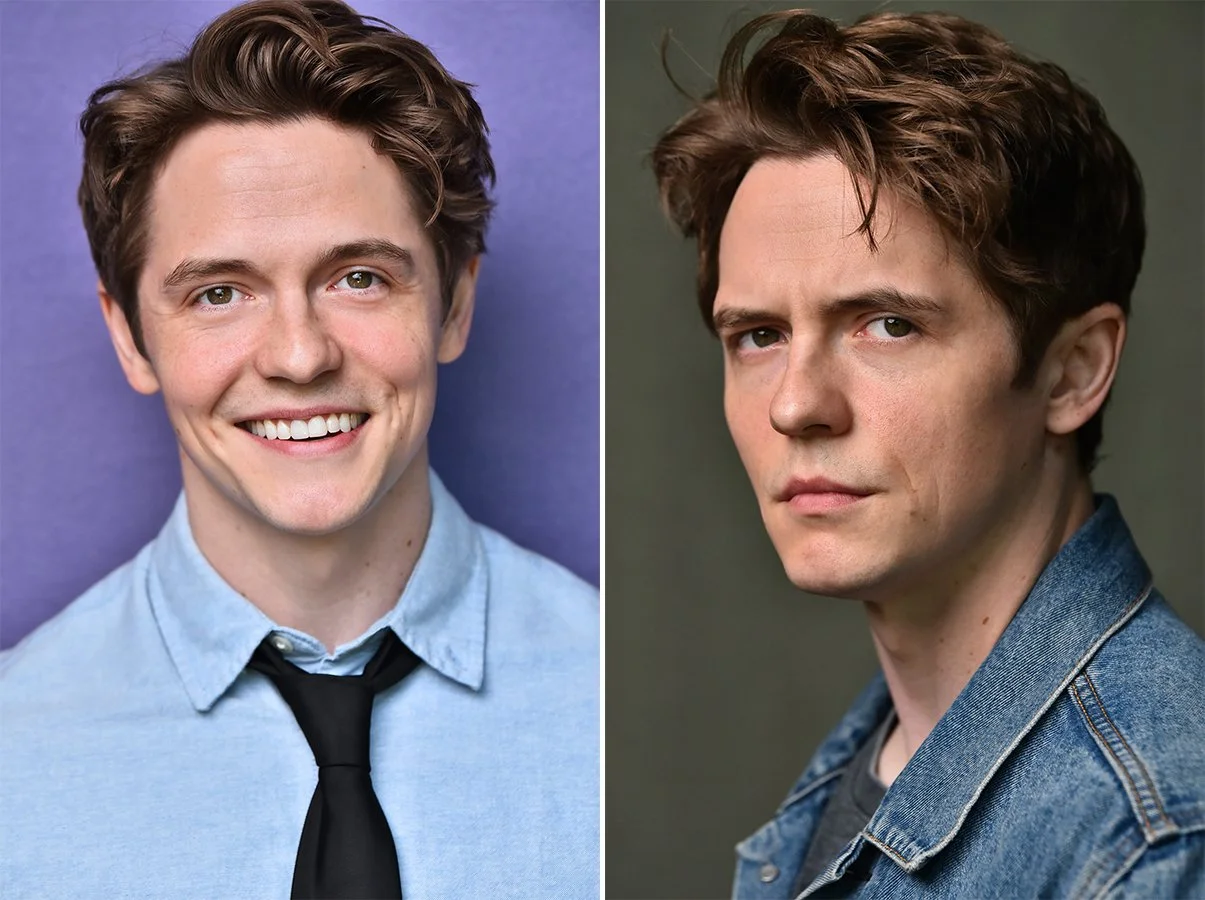
Theatrical Headshots
Theatrical headshots are generally built around a more specific dramatic tone rather than broad approachability.
Expression and emotional depth
This is where intensity lives. A theatrical headshot often benefits from a tighter, closer frame because the eyes are doing most of the work. You are not performing an emotion for the camera. You are letting a real one surface. Flat, generic expressions read as generic on the page.
Framing
Tight and close is common for theatrical, especially when the goal is intensity or emotional weight. But tight is not the only option. If part of your story includes physicality, presence, or how you move through a room, a looser composition that shows more of you can serve that just as well. The frame should follow the intention of the look, not a fixed rule.
Wardrobe
Solid, simple, and secondary to the face. Busy patterns, logos, and bright colors compete with expression. The goal is for casting to remember your face and your energy, not your shirt.
Backgrounds and lighting
Usually more controlled and moodier than commercial. Shadow and contrast can support a dramatic tone, but the background should never pull focus from the story in your expression. There's more to how I actually choose and use backgrounds session to session, including why there's no single right answer, in Actor Headshot Backgrounds: What Works and What Doesn't.
Commercial Headshots
Commercial headshots tend to emphasize likability, approachability, and an open, engaging presence. The image may suggest someone selling a product, hosting a segment, or playing an approachable everyday character.
Personality and authenticity
This is where warmth and openness matter most. A natural smile, open energy, and a sense of personality can all support a commercial look. A commercial headshot that feels stiff or posed undercuts the entire point of the category.
Framing
Commercial tends to sit looser and more open than theatrical, especially when the goal is to show physicality or a natural, relaxed presence rather than pure intensity. That said, a closer frame still has a place if the look calls for a punchier, more direct energy. Again, the intention behind the shot should decide the framing, not a default.
Wardrobe
More room to play here than in theatrical. Color, texture, and personality in the clothing can work in your favor, as long as it still reads clearly on a small screen and does not distract from your face.
Backgrounds and lighting
Typically brighter and friendlier than theatrical. The tone should feel approachable, not moody. This is one of the few places where the technical choices are doing real emotional work. Bright, open light can establish an upbeat tone before the viewer even registers the expression.
Where Comedic Headshots Fit
Comedic headshots live closer to commercial than theatrical, but the two are not identical. Commercial has to appeal broadly. The product or brand needs to feel safe and likable to as wide an audience as possible, so the energy tends to stay warm and approachable.
Comedy has more room to get specific. A comedic headshot can lean into a sharper, more defined character, even something a little off-center or absurd, because the goal is a distinct comedic point of view rather than universal appeal. That specificity is what makes it funny in the first place.
So while comedic headshots share commercial's sense of fun and ease, they can afford to take more of a swing on character than a straight commercial look usually can.
None of this is a hard rule. These are patterns, not laws. I have seen a serious, grounded shot land a commercial booking when I was acting myself, precisely because it stood out from a sea of safe, smiling headshots. The guidelines above are a starting point for thinking about your goals, not a formula to follow blindly.
The posing side follows the same logic: no universal formula, just what serves the shot. See How Should Actors Pose for Headshots for the full breakdown.
How to Know Which You Need
Start with the actual work you are submitting for, not a general idea of “a good headshot.” Ask yourself:
● Am I building submissions for drama, indie film, or procedural work? Lean theatrical.
● Am I building submissions for commercials, hosting, or comedic series regulars? Lean commercial.
● Do I need both because I am pursuing both lanes? If so, plan for both.
Actors pursuing both commercial and theatrical work may benefit from having both in rotation, shot with intention rather than as an afterthought variation of the same look. The framing, wardrobe, and energy should each be built to serve the specific work you are chasing, not repeated out of habit.
If it helps to see these distinctions in practice, I've put together real examples of commercial, theatrical, character, and comedic headshots side by side, with notes on what each one is built to communicate. You may also browse the Men's Actor Headshots and Women's Actor Headshots galleries directly.
For more practical guidance on planning your session, explore my Actor Headshot Advice Library.
Read the Original Articles on Backstage
As a contributing writer for Backstage, I write about actor headshots and headshot photography. You can learn more about my background and approach. This guide draws from three of my earlier Backstage articles:
“Commercial vs. Theatrical Headshots: The Huge Differences”
“Tips for Commercial Headshots”
“Tips for Theatrical Headshots”
(Each opens in a new tab.)
Ready to Build Your Own Set?
If you'd like help figuring out which category serves your goals, or how to build both into one session, I walk every actor through this before we shoot.
Explore my actor headshot portfolio or contact me to schedule a session in Los Angeles.