
Outdoor vs. Studio Actor Headshots: What Actors Should Know
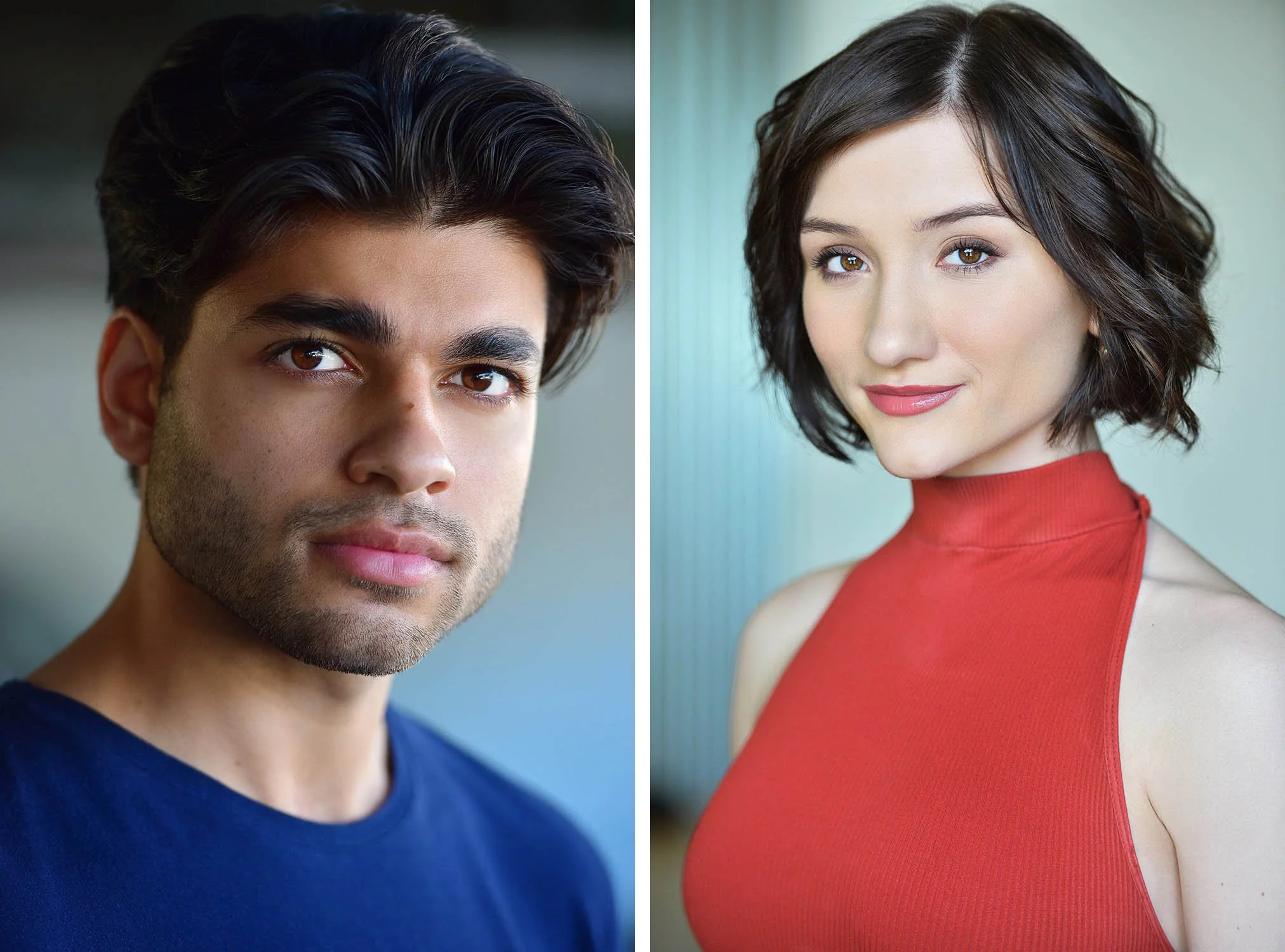
Actors ask me all the time whether they should shoot their headshots outside or in a studio. Some come in convinced they only look good in natural light. Others have seen a friend's outdoor headshots and want the same thing. My honest answer usually starts with a question: what are you actually hoping to get?
I don't come at this as someone who has only worked one way. For roughly the first five years of my career, I was an outdoor shooter. I didn't have a studio or lighting, so I worked with whatever the day gave me. I moved indoors because I wanted a more controlled environment, and one especially rainy winter, after rescheduling session after session, I'd had enough. The idea of a more contained experience, for me and for the people I photograph, was exciting. I still shoot outside when a client asks. But having done both, I've come to believe that location is rarely the real question.
What Are You Actually Asking For?
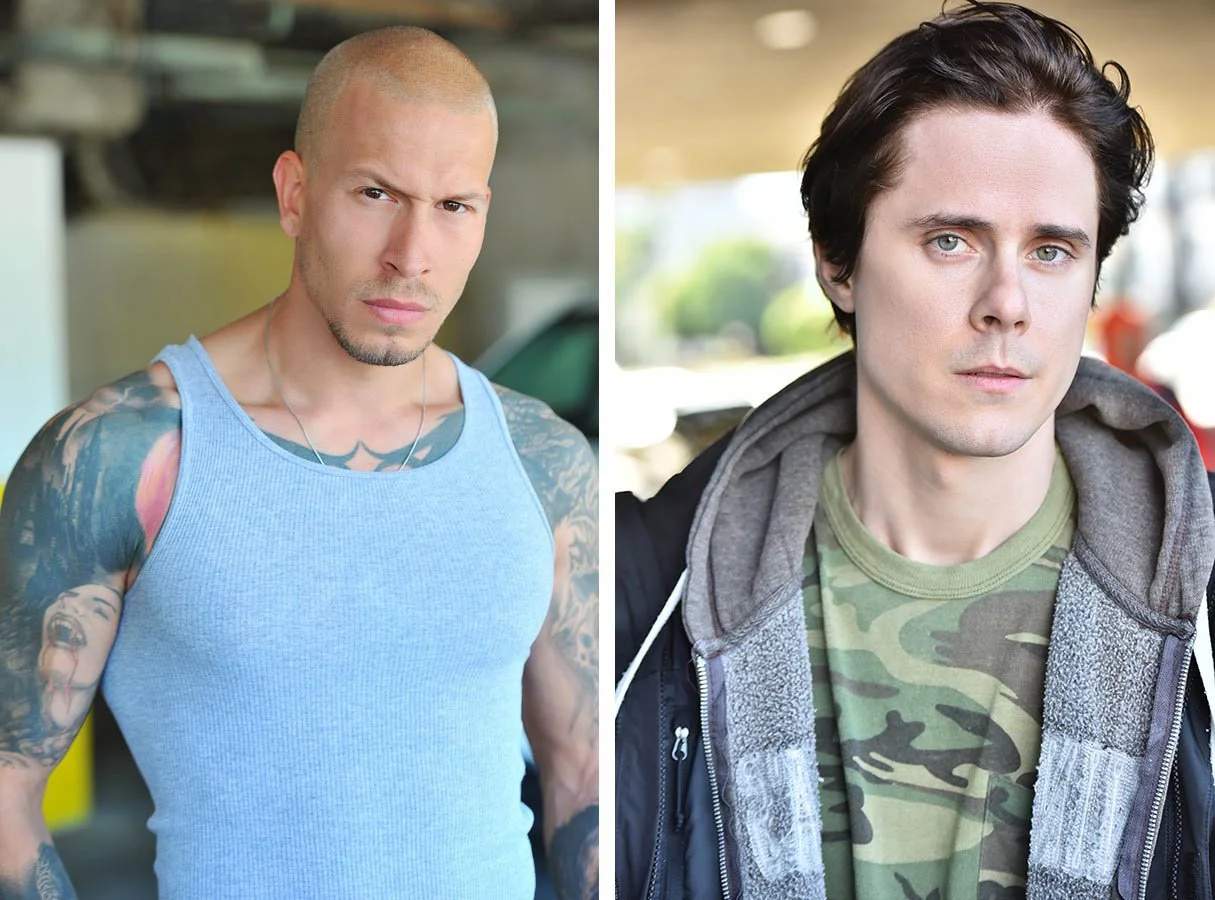
In my experience, when someone asks for an outdoor session, they're usually asking for a quality, not a place. Light, texture, and mood come up most often. Going outside is one way to get them. It isn't the only way.
I've done two sessions for an edgier, rebel look where the setting mattered: one against a concrete wall in my garage, and one under a bridge. Neither was really about being outside. I wanted the texture of raw concrete, and I didn't have a wall like that in my studio. If I had, I wouldn't have needed to go anywhere.
To be fair to the other side, the environment may have given the actor something too. There's a mood to standing somewhere gritty and real, and that can feed a performance. I could have gotten there through direction in the studio, but I won't pretend the setting did nothing. At the same time, one of those days was cold, and I suspect some of the actor's attention went to staying warm instead of the work. We got a strong shot, but that was one of the days I shot both indoors and out, and the indoor shot felt more focused. It's a good example of how a real place can give an actor something and take something away at the same time.
Is Natural Light Better for Actor Headshots?
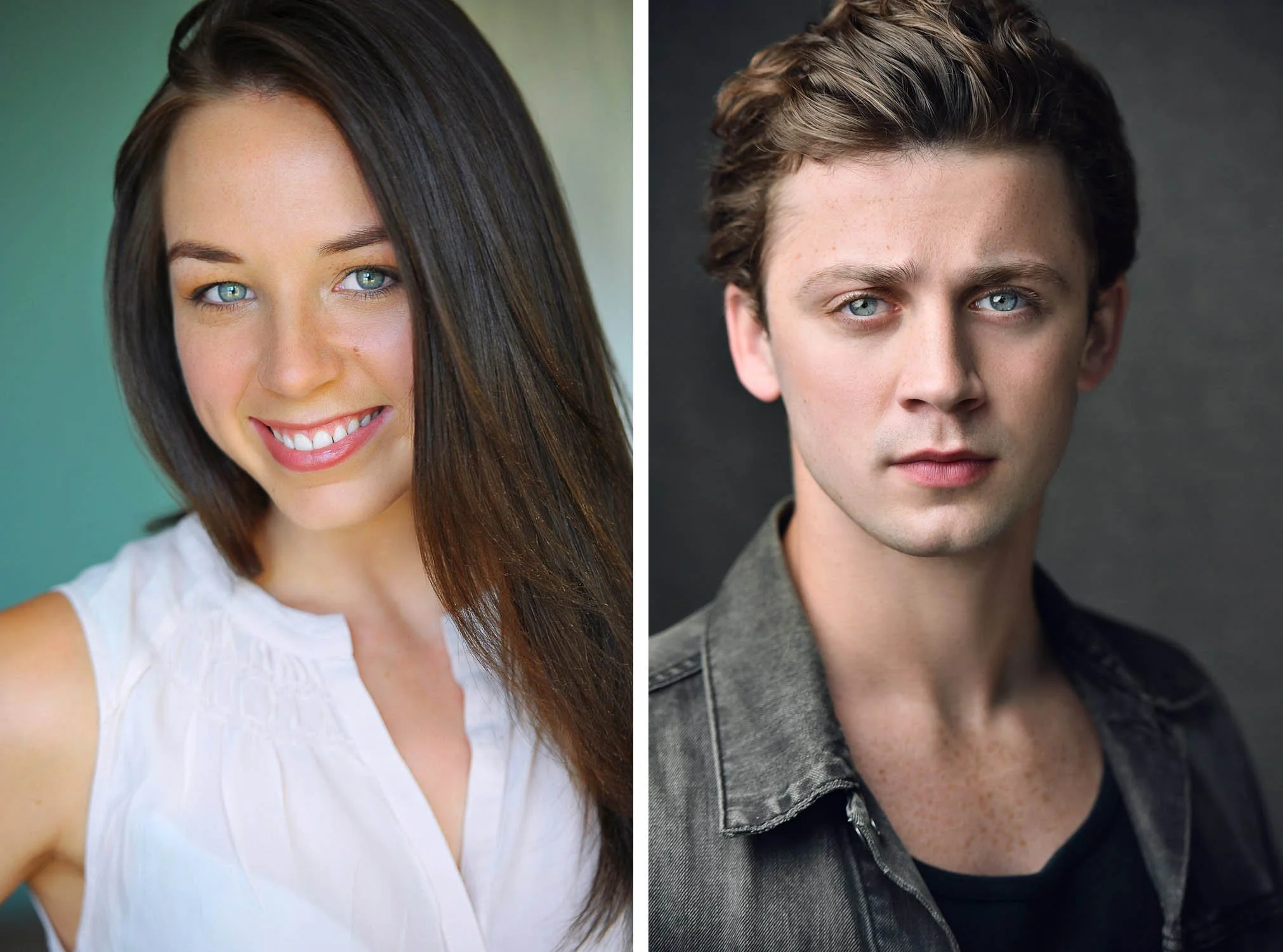
When actors tell me they look better in natural light, what they're usually responding to is light quality. But natural light isn't one kind of light. Direct sun, open shade, window light, and an overcast sky can all look very different. The quality people tend to love is a brighter, more translucent look, especially in the eyes. That comes from a sufficiently strong, directional source reaching the eye at the right angle, so the iris itself seems to light up. The sun can do that. So can other sources.
My studio has large windows that I use when I want natural light, so “natural light” and “outdoors” aren't the same thing. A skilled photographer can also recreate many of the qualities actors associate with natural light. What matters is the skill of whoever is shaping the light, not only where the light comes from.
In my own work, I tend to use window light for more commercial images and studio lighting for moodier or higher-energy ones. That's my habit, not a rule. Plenty of good work breaks it.
Why Privacy Changes the Photograph
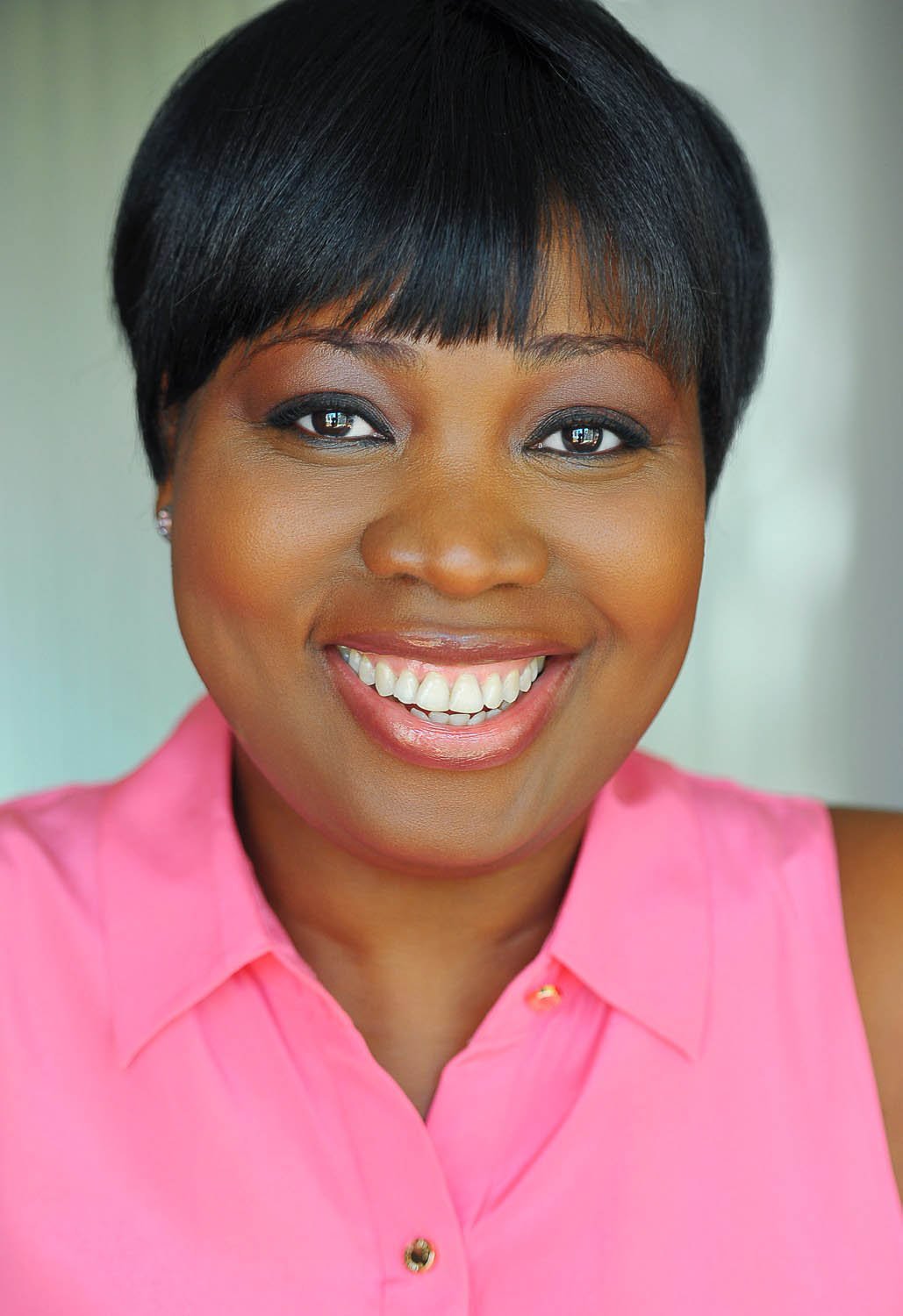
Being photographed can make someone feel vulnerable. And I'm not simply pointing a camera and shooting. I ask something of the actors I work with. I ask questions and help them feel something so the images come across as authentic. That means asking them to perform on some level, and in my experience, that comes more easily when someone feels safe.
If someone is watching, or something in the environment keeps pulling at their attention, an actor may not feel free to open up, or part of their mind stays on the distraction. For some actors, removing that audience gives them more freedom to express and feel.
Actors sometimes ask to bring a friend, and I don't mind at all. I do ask how comfortable they are revealing things about themselves in front of that person. For some people it makes no difference. Others think they'll be fine, then once the session starts and they see how much fun it is to go deeper, they change their mind. I've had clients send their friend out for coffee partway through. And since I'm trying to connect with the person in front of me, a guest can affect the photographs too. The shots may still be great, but that sense of intimacy can feel divided.
Outdoors, you can't send the audience out for coffee. Passersby, traffic, and people on their lunch break are all potential watchers. Some actors truly don't notice. For others, it's one more thing standing between them and the work.
What Makes a Good Outdoor Location for Actor Headshots?
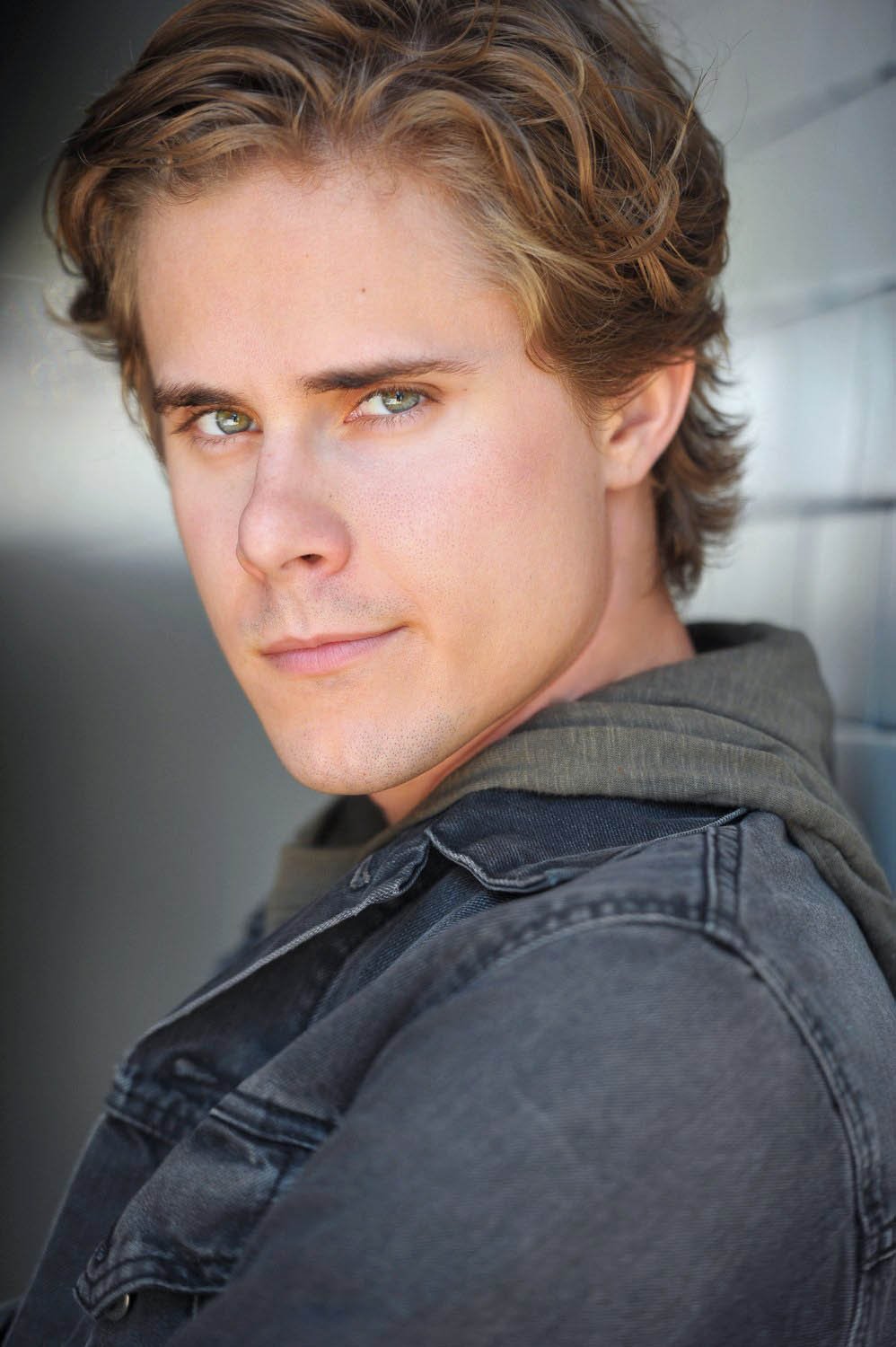
If you do shoot outside, what matters most about a location is how it works, not how it looks. When I shoot outdoors, here's what I'm evaluating:
Direction and quality of light. Can I find the right shade, keep the light from coming straight overhead, and keep it from being so intense that the actor squints?
Reflected light. A nearby building can bounce color I don't want onto the actor's skin, or throw too much light into their eyes.
Exposure difference. If the actor is in shade and the background is in direct sun, the difference in brightness can be substantial and has to be managed carefully.
Safety. The location has to be somewhere the actor and I can work without worrying about where we're standing.
Traffic. How many people pass through, and when? Lunchtime, commute hours, or kids being out of school can turn a quiet spot busy fast.
Time. You're at the mercy of the sun. The same spot can produce completely different photographs 30 to 60 minutes later.
Continuity. Moving clouds can shift the intensity and color of the light, making consistency across a session harder.
What's behind the actor. Clutter, cars, signs, and pedestrians all compete for attention. I go into that more in Actor Headshot Backgrounds.
For actor headshots specifically, the areas I watch most closely are eye illumination, squinting, skin tone, background exposure, and consistency. Natural light can produce spectacular results, but keeping those results consistent as conditions change is one of the real challenges of working outdoors.
A lot of people believe cloudy days automatically make the best light. That's an oversimplification. Overcast conditions can produce beautiful light, but they can also turn darker or muddier than I want. It depends on the kind of cloud cover. Heavy clouds right before a rain can make everything very dark and muddy, while a thin layer can make the light surprisingly bright. It also depends on the photographer's aesthetic. I tend to prefer harder, brighter light that I can shape and diffuse to my own taste, but there are days when cloudy light looks amazing.
And sometimes weather simply wins. When I was shooting outside, I rescheduled sessions because of it. If you book an outdoor session, ask your photographer what happens if conditions change. It's something I simply never have to consider when shooting indoors.
Do Agents or Managers Ask for Outdoor Headshots?
Rarely, in my experience. Agents and managers often have aesthetic preferences, but a specific request to shoot outside doesn't come up much. When a rep does ask for a particular approach, I shoot it, and I'd rather lean into their vision than argue with it. If the request is different from how I usually work, I may also shoot a few frames in my own style so the actor and their team can see the difference. Either way, the goal is photos the actor's team is excited to promote.
If your reps have a strong preference, it's worth asking before you book. They may already have photographers they recommend. What to Ask Your Agent Before Getting New Actor Headshots covers that conversation.
Should Actors Get Both Studio and Outdoor Headshots?
I do think an actor's headshots should have some variety, and depending on the kind of work you're going for, the lighting and background will often change from look to look. But that variety comes from the elements in the photograph, not from whether it was taken inside or outside. Two locations don't guarantee range, and one location doesn't limit it.
If you can only afford one session, start with the photographs you actually need. If more than one setting could deliver them, choose the one that inspires you most.
Studio or Outdoor: How to Decide
Start with what you want the photograph to do, then work backward to where it should happen. It's also worth asking a photographer why they work where they do. Early in my career, I shot outdoors because that's what my setup allowed. Other photographers choose it deliberately because it suits the way they see and work. Neither is a problem on its own. What matters is that the photographer can explain why a particular environment serves the photographs you're trying to create. How to Choose a Headshot Photographer goes deeper on what to look for, and you can see how I approach sessions on the Actor Headshots page.
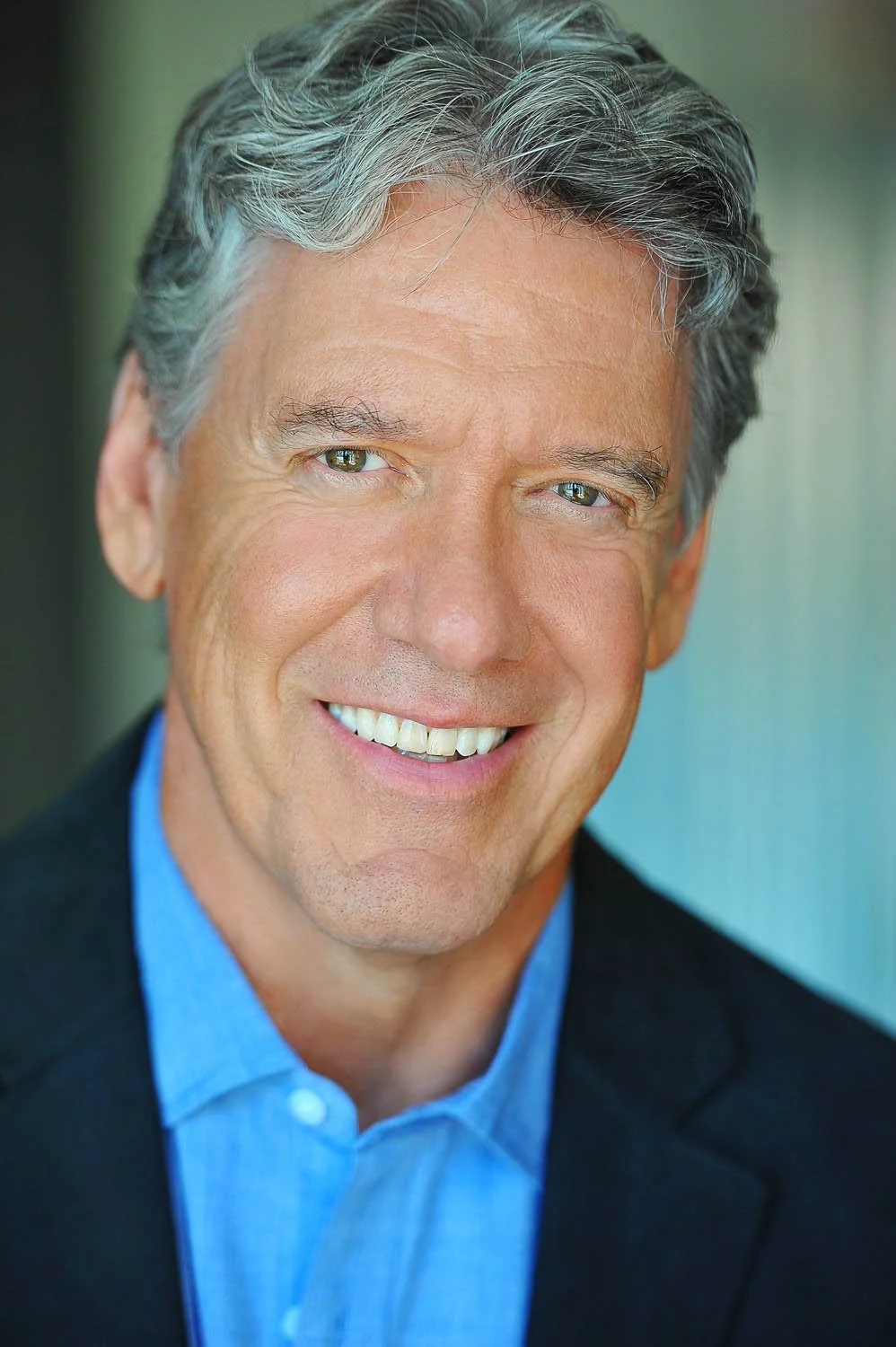
Use every element of your headshot to support your intention. Everything in the frame should lead back to you: your intention, your aesthetic, and your casting type. Everything else is noise.