
What Makes a Good Actor Headshot? A Guide for Actors
Most actors don't like the idea of being typecast. When I'm prepping a client for a session, I ask what kinds of roles they're going out for, or hope to play. The answer is almost always some version of "I don't want to limit myself, I can play anything."
No actor can play anything. Paul Walter Hauser and David Corenswet are not competing for the same roles, and no amount of range changes that. One of the fastest ways to pull an audience out of a scene is to watch someone who's been miscast.
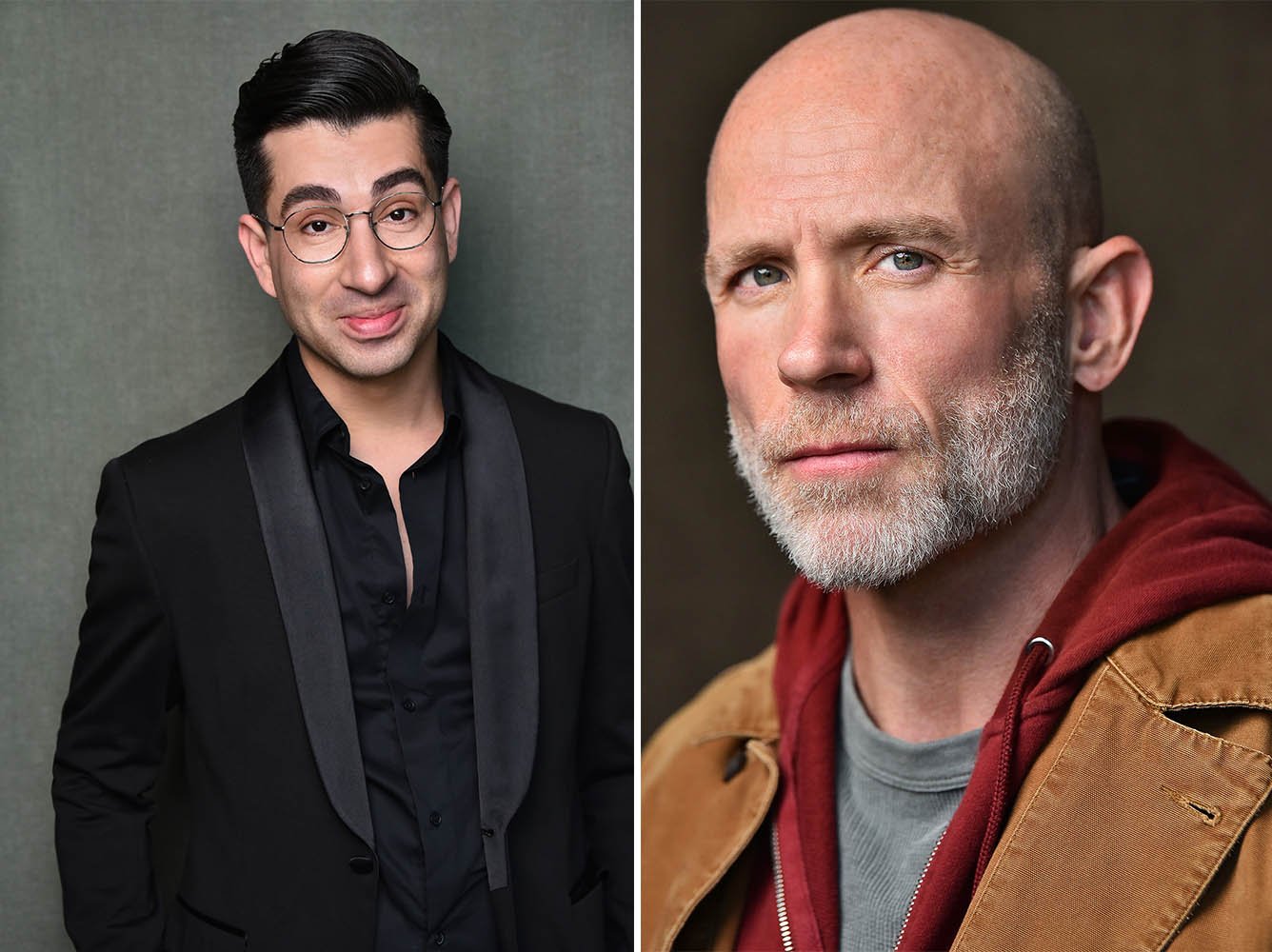
Understanding your type isn't a limitation. It's information. Get honest with yourself about how you read in a room and on camera: your strong suits, your natural energy, how a stranger sizes you up in the first three seconds. Once you know that baseline, you can push against it, stretch it, complicate it. If you want a deeper breakdown of how to pin down your type, I've written about how to determine your type. But you're always working from an accurate starting point, not a wished-for one.
What Actually Makes an Actor Headshot Work?
A good actor headshot has to do more than look professional. The lighting can be beautiful, the wardrobe can be right, and you can look great, but none of that matters much if the image feels empty.
The first thing I look for is connection. There should be something happening behind the eyes. You don't need a huge expression, but you should look like you're thinking, listening, reacting, or connecting with someone. A blank stare photographed beautifully is still a blank stare.
The technical side should support that rather than compete with it. Your eyes need to be sharp, the lighting should make sense for the look, and the background shouldn't pull focus from you.
Expression, wardrobe, and retouching all shape the final image too, and each deserves more than a passing explanation. I've written about each one separately. Posing is part of that same equation, see How Should Actors Pose for Headshots for how body position and expression work together. Get those right and you have the foundation: a current, professional photograph that looks like you, has genuine connection, and gives casting a clear idea of where you might fit.
"Looking Like You" Means More Than Physical Accuracy
The standard advice is that an actor headshot should look like you. That's true as far as it goes: correct age range, accurate coloring, real hair length. But "looking like you" isn't only a physical description. It includes your essence, the quality that determines what kinds of characters you can convincingly play.
When someone looks at a photo of a stranger, they build a story around it without meaning to. Expression, posture, and wardrobe all get read as evidence. Is this person confident or uncertain? Warm or guarded? Playful or serious? A headshot session is your chance to hand the viewer the right evidence on purpose, instead of leaving it to chance.
To see what that actually looks like across different types of sessions, I've put together examples of commercial, theatrical, character, and comedic headshots side by side.
Playing Against Type Still Has to Be Earned
There's room to play against expectation. An actor who reads as tough and quiet but turns out to be loud and funny has a genuinely interesting layer to work with. But a headshot can't promise something you can't deliver in the room.
If you can't credibly play mysterious and seductive, don't shoot for it. Casting directors notice the gap between the photo and the person who walks in, and that gap works against you. If what makes you compelling is approachable and fun rather than sultry and dangerous, that's what belongs in the photo.
A Headshot's Job Is to Get You Called In
Casting directors regularly see rooms full of actors with similar physical features for the same role. What separates the one who gets cast is rarely just the face. It's a specific vibe that made someone stop scrolling and take a second look.
An actor headshot doesn't book the job. It gets you called in. That's the whole function: give a casting director a reason to want to meet you, and let the audition do the rest. And if it's been a while since your last session, it might be worth reading 7 signs it's time for new actor headshots to see if you're due.