
How Should Actors Pose for Headshots?
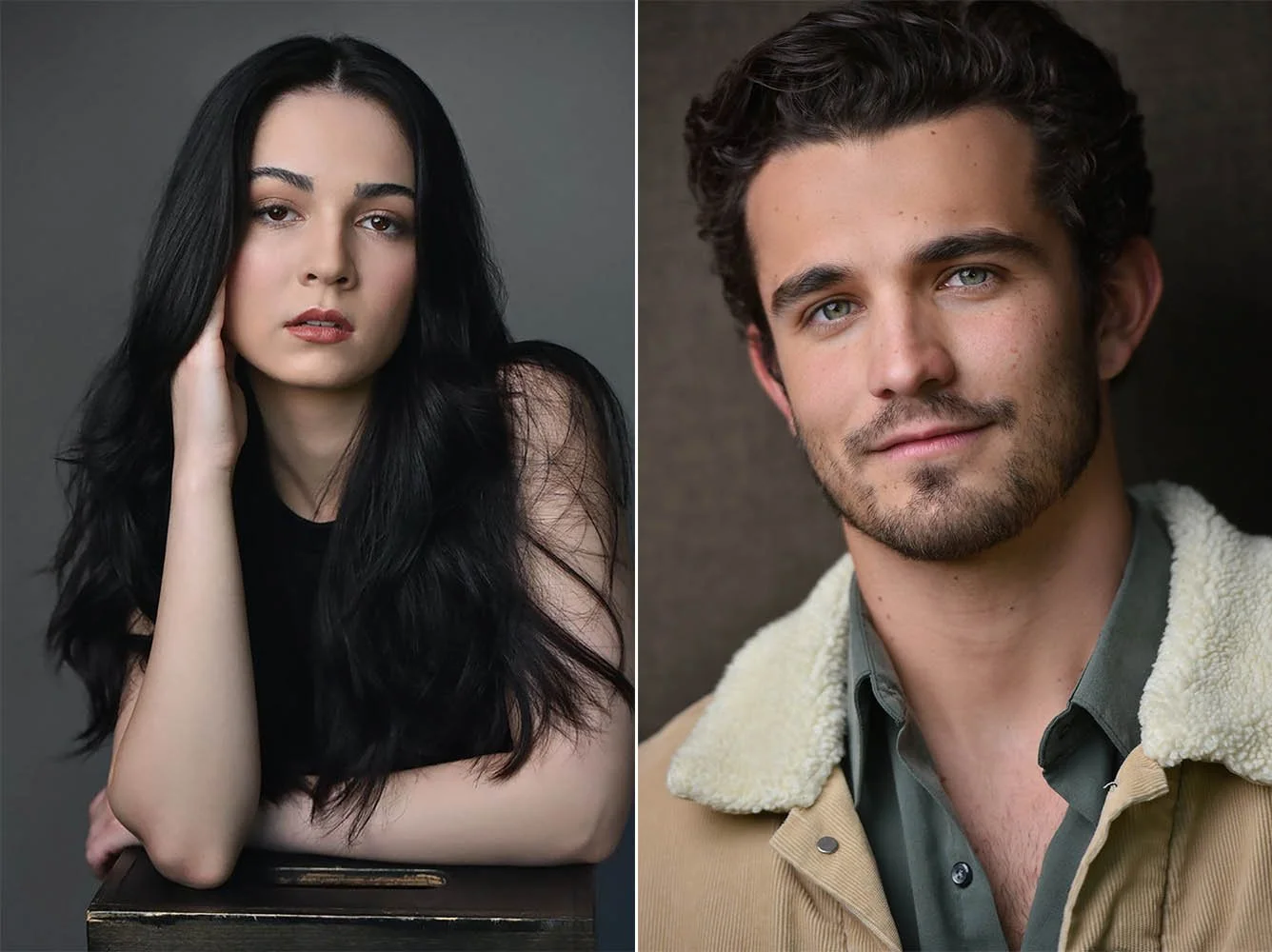
After years of photographing actors, I've noticed something that sounds backwards: the harder someone tries to pose well, the harder they usually are to photograph.
Physical positioning still matters enormously, chin, shoulders, angle, hands, all of it shows up in the final image. But the actors who look best on camera usually aren't thinking about posing at all while it's happening.
The through-line for everything below is simple: don't lie to the camera, or your audience. That doesn't mean don't act, obviously you're an actor. It means don't show the result of an emotion, show the thought that creates it. Every choice in a headshot session, where you look, what your face is doing, how still or active your body is, either supports that or works against it.
Do You Need to Know How to Pose?
If an actor has to spend the session figuring out how to pose themselves, the photographer is failing them.
Posing tends to create a person thinking about how the image will look instead of how it feels. In daily life, nobody thinks about their chin angle when they say hi to a cashier or when arguing with their partner about what they should have for dinner that night. The same should be true in a headshot session. Sit or stand comfortably, then let the direction be about emotion, not position. The body follows.
I'm photographing actors, not a chair. A chair needs to be positioned and stay still. A person reveals who they are through movement and expression. My job is to give subtle adjustments, chin coming up too high, hands pulling focus, but the actual positioning should come out of what's happening emotionally in the moment.
This is the same relationship a good director has with an actor on set. A good director isn't simply telling you how to say every line. They lead you toward the feeling, so you interpret the moment truthfully. A headshot session works the same way. Choose a photographer you trust, then explore the emotion with them. That's where authentic movement and positioning actually come from.
Think of it as a division of labor. Your job is intention, thought, connection, responding to the moment. Mine is everything else, chin, angle, shoulders, crop, light, lens position, catching the physical habits you don't know you're doing. When both sides do their job, posing stops being something anyone has to think about.
Should You Practice Posing in the Mirror?
Somewhat, but not the way most advice suggests.
A mirror is useful for noticing physical habits. If your head tilts back further than you realize, or you want to see how far you can narrow your gaze before it reads as squinting instead of intensity, that's worth checking. What doesn't work is rehearsing a "look" and locking it in. Your mirror may sit at a different height and angle than my camera lens, and a look that feels right to your own eye in a bathroom mirror can read completely differently once it's in front of a lens, under different lighting, in a different context.
It's fine to have a plan going in. Just don't be so attached to it that you miss what happens spontaneously, a moment of real laughter, an emotion you forgot you had until your photographer asks the right question. Those moments change how you look, and you won't find them by yourself in a mirror.
What If You Feel Awkward or Think You're Not Photogenic?
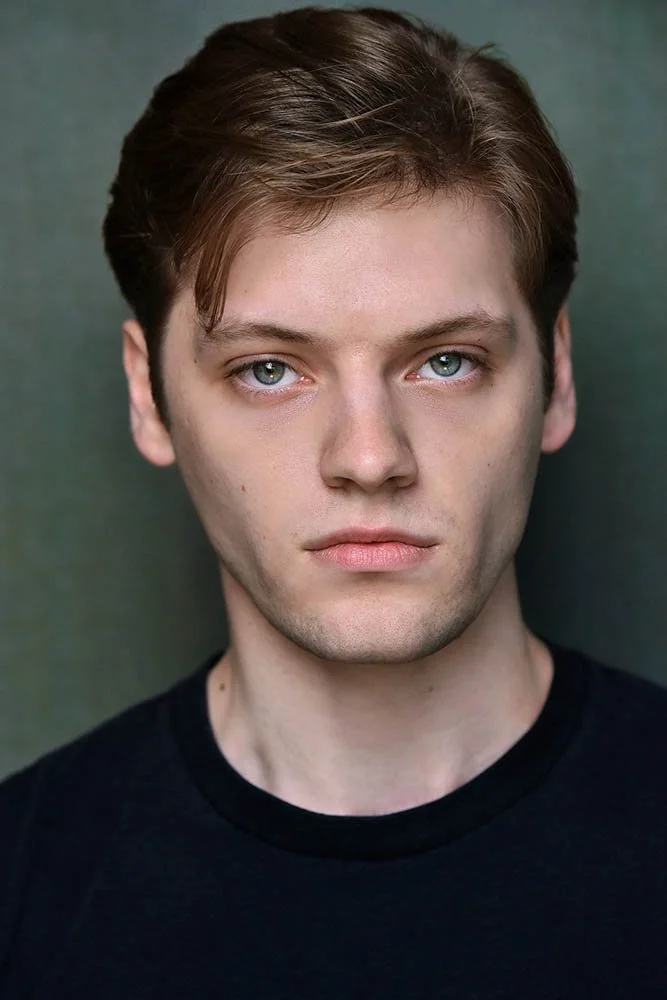
Feeling unphotogenic doesn't mean you can't photograph well. Finding the angles, lighting, and direction that work for you is part of the photographer's job, not something you're expected to arrive already knowing.
A lot of this comes down to trust. When someone tells me they don't photograph well, I usually ask for an image where they did like how they looked. That single request tells me most of what I need, what worked in that photo, whether they have a side they lean toward, which features they're self-conscious about so I can work around them with lighting and angle. It turns a vague insecurity into something specific I can actually direct around.
Posing is awkward, which is exactly why I don't make actors do it. What helps instead is walking in with real intentions already in mind rather than showing up unorganized and hoping something happens. It helps to take moments away from the camera to breathe and reset, breathing affects tension, expression, and emotional tone more than people expect. Read the full breakdown in How to Look Relaxed in Actor Headshots. Every few shots, looking away and reconnecting with your intention before coming back to the lens does a lot of work too, it's one of the simplest ways to avoid that deer-in-headlights look. And if something in the process genuinely isn't working for you, say so. A good photographer wants to collaborate and wants to get it right as much as you do, nobody wants a reshoot.
All of that works best when you trust the person directing you. By the time you're standing in someone's studio, you should have done your research, not just on the images, but on their process and personality. A blunt actor paired with an overly soft photographer might not get the direction they need. A sensitive actor paired with a blunt photographer might not feel safe enough to be vulnerable. That mismatch shows up in the final image whether either of you intends it to or not.
Where Should You Look?
Generally, at the camera, toward the top of the lens. That default shifts slightly depending on the person. Some people's natural gaze reads as looking below the lens even when they aren't, so I'll adjust and have them look a touch higher.
More important than the exact point is what happens behind the eyes. I often have actors look away while they're finding the emotion or the thought, then bring their eyes back to the camera once they actually have something there. Just like you wouldn't walk onto a set and pick up the script the second the director calls action, take a moment to make a choice before the camera catches you.
Think of the camera as a person. A human being will eventually look at this photo and make a decision based on it. An authentic connection behind the eyes matters more than whether your face is three degrees off center. You're asking a producer, or an audience, to give you their time and trust. Don't lie to them.
What Should You Do With Your Chin and Jaw?
Most chin and jaw issues come from one of two nervous habits: lifting the head too high or too low, or subconsciously pulling the head back and down and raising the shoulders, which creates an unintentional double chin.
The fix I use most is having the person push the chin out slightly, moving the nose forward, not up. The felt sensation matters here. Depending on how far someone's been retreating their head, it can feel a little awkward or exaggerated to the actor doing it, even when it looks right on camera. That's where the photographer's guidance matters, balancing what feels natural to you against what actually reads well in the frame. Chin higher isn't automatically wrong either, the problem is specific: once I'm seeing up someone's nose, it's gone too far and stops being useful.
Jaw and chin tension can also come from the mouth. Facial structure, bite, and the way the teeth sit can all affect what a relaxed mouth actually looks like. I've had actors whose expression immediately became more natural the moment I asked them to let their lips part slightly instead of keeping them fully closed. The goal isn't an open-mouth pose. It's finding the resting position where tension actually leaves the jaw, chin, and mouth.
How Should You Stand, Sit, and Angle Your Body?
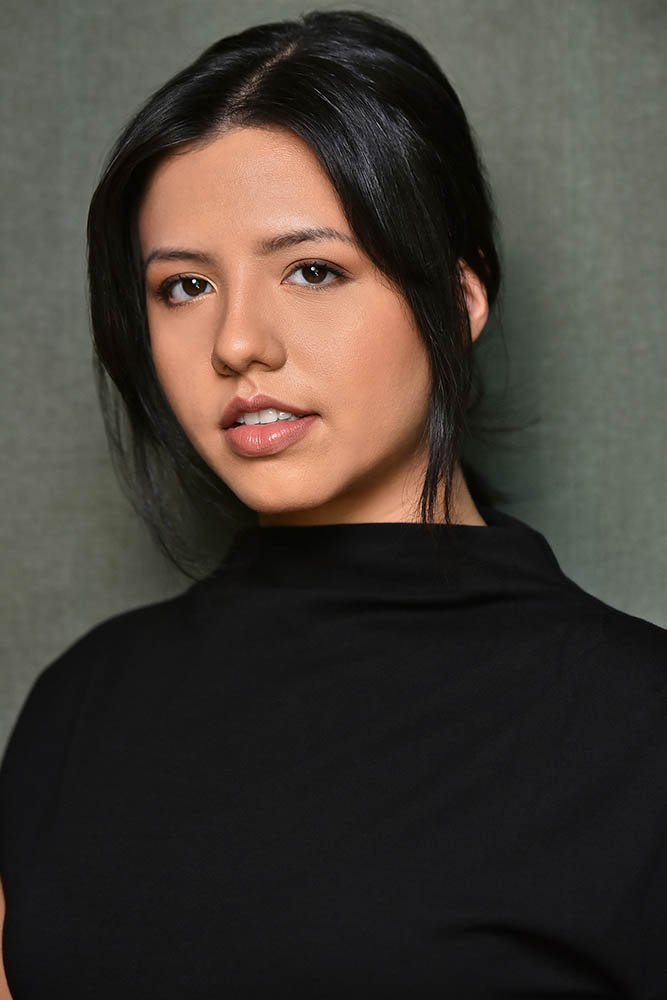
I don't have a fixed rule here, and I don't think one holds up. I've photographed actors successfully straight-on, turned, seated, and standing. The position has to serve the person and what we're actually trying to communicate in that image.
Sitting can read as more conversational, a leaning-in, talking-with-a-friend feeling. Standing can support a more authoritative presence. Which one I choose depends on the actor, the goal for that particular shot, and sometimes on things that have nothing to do with theory at all, height, the lighting setup, or simply what the actor is more comfortable doing that day. Often I'll shoot both in the same session for variety.
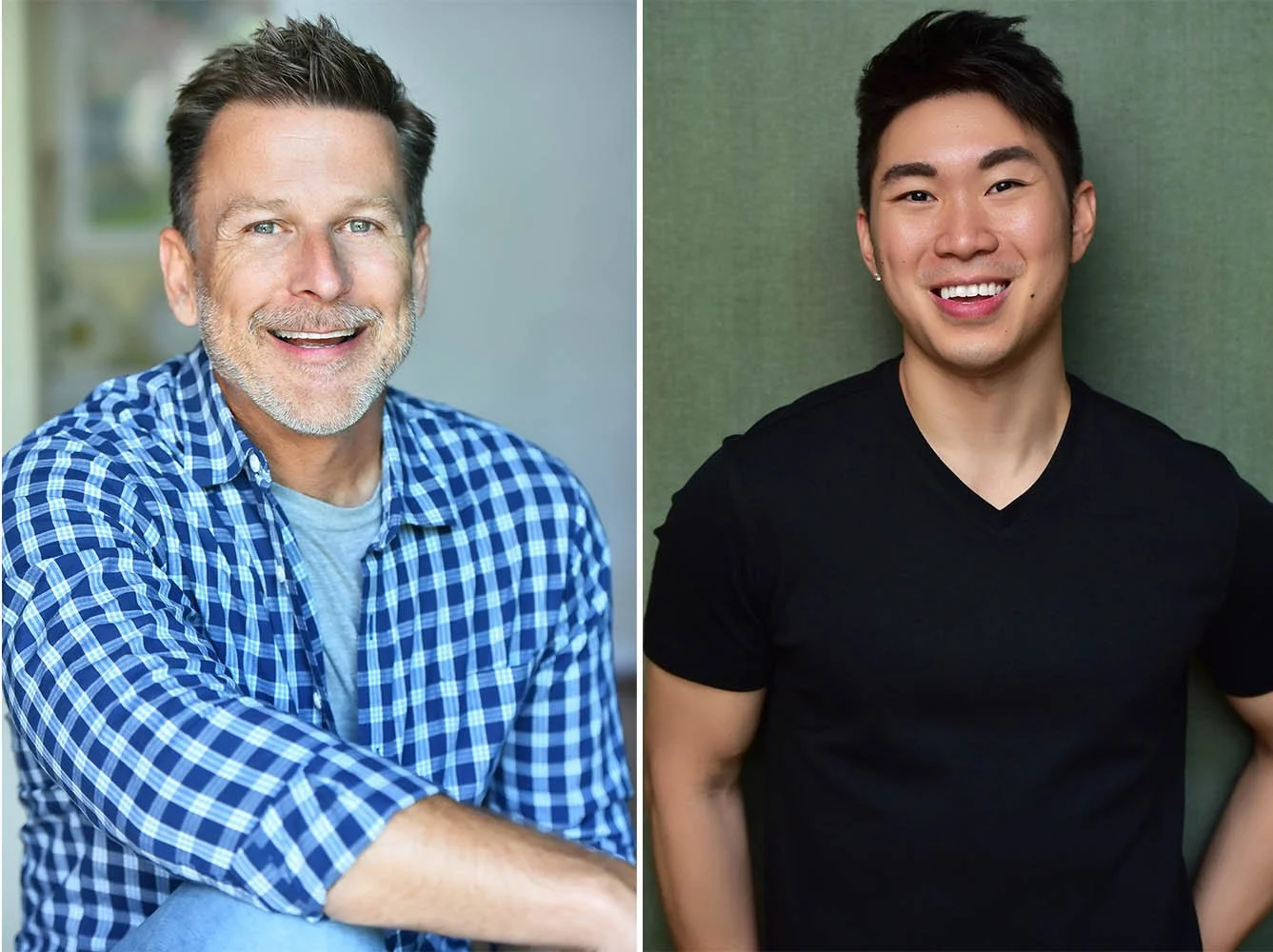
Body angle works the same way, and it's worth understanding why. A slight turn of the head isn't inherently flattering or unflattering, it changes what's being read from the person. The same small turn can suggest hesitation, shyness, or distrust depending on everything else happening in the frame. Position doesn't have one correct meaning, it's part of the story the image tells, which is why there's no universal "flattering" angle that applies to everyone.
That idea, a photograph doing more than just showing a pose, is worth its own conversation. See What Are Cinematic Headshots? for more on what it means for a headshot to tell a story rather than just describe a face.
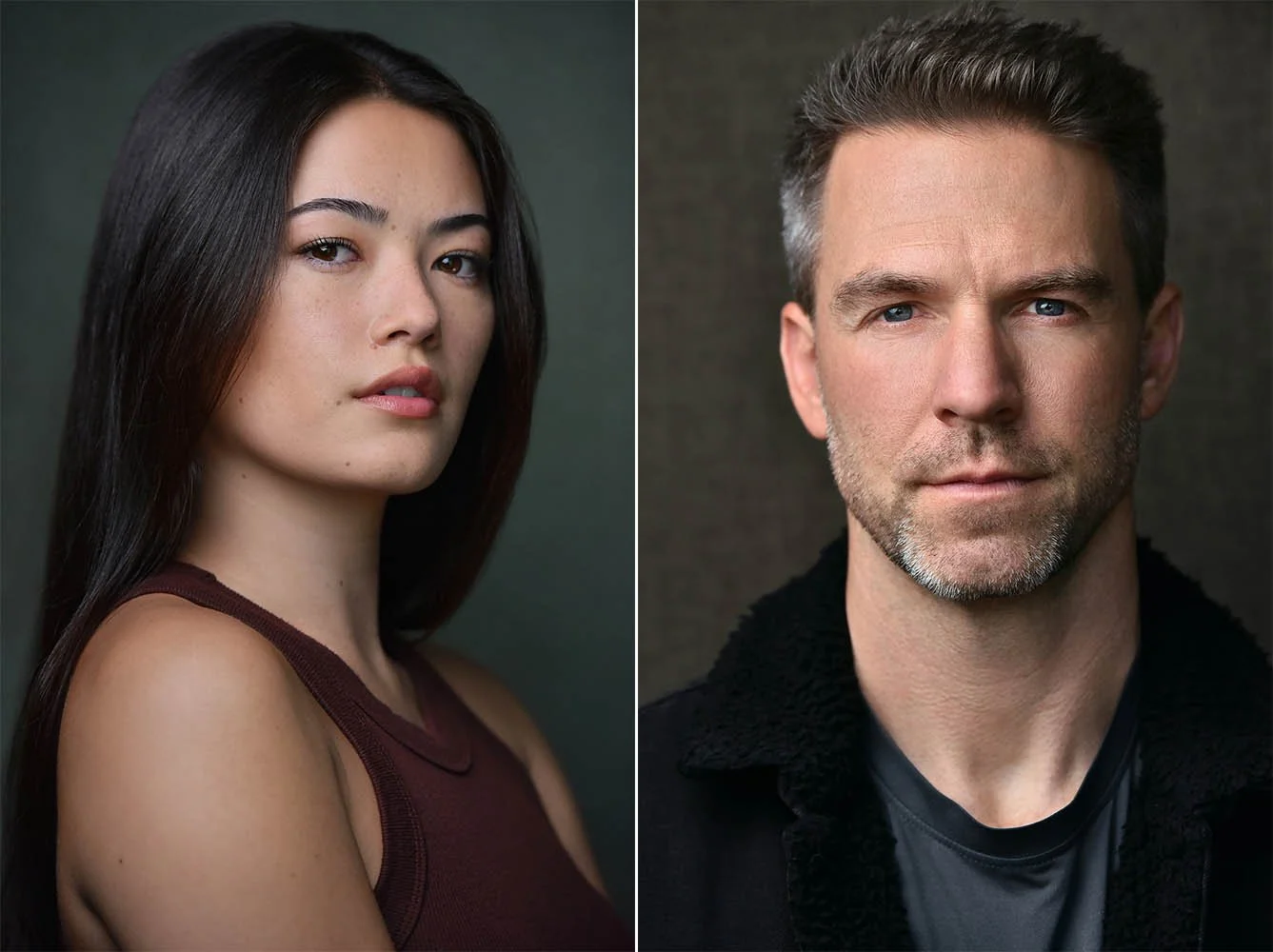
Shoulders usually correct themselves once breathing is handled, that's genuinely how it plays out in most sessions. When it doesn't, I'll say it directly: lower your shoulders, breathe. I don't think of that kind of correction as posing. It's closer to keeping the train on the tracks, small adjustments to keep things aligned, not instructions for building a position from scratch.
What Should You Do With Your Hands?
Hands don't need to stay out of frame. I don't mind seeing them, as long as they aren't distracting or pulling focus away from the face.
What I try to avoid is hands going dead at the sides. That's less about what the hands themselves look like and more about keeping the whole person engaged, not just the face. A body that's checked out in one place tends to read as checked out overall, even when the hands themselves are out of frame entirely. Depending on what we're going for, I might have someone put their hands in their pockets, cross their arms, or lightly play with a fingernail, which also tends to help disperse nervous energy. The right choice depends on the feeling we're after and whether the actor is sitting or standing.
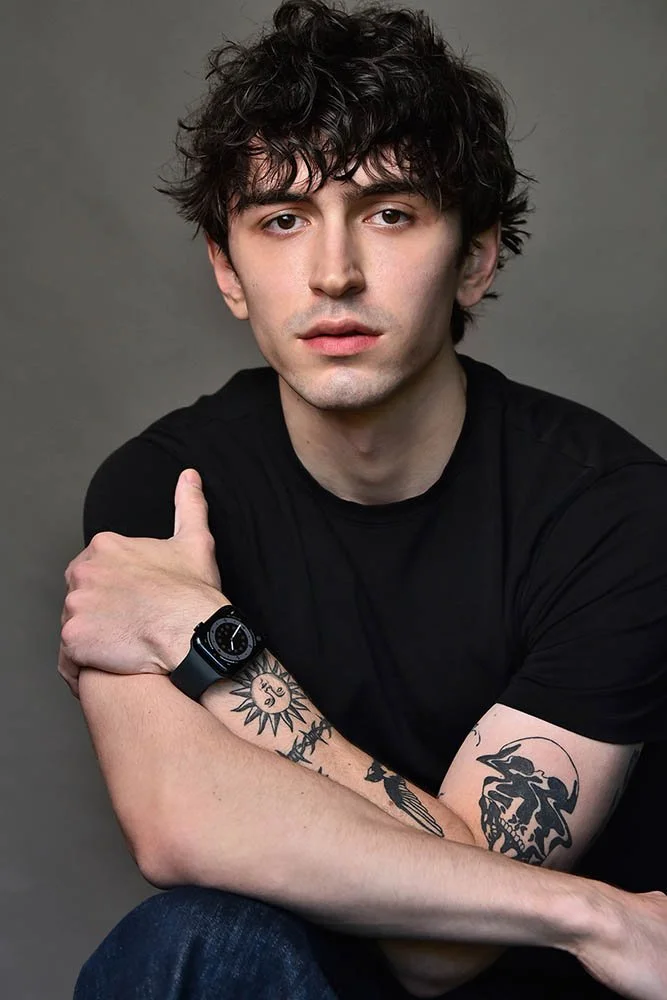
Do You Have a "Best Side"?
Most people are a little asymmetrical, one side rounder, one eye slightly more open than the other, and it's easy to become convinced you only photograph well from one angle. I've had people who were certain they had a best side change their mind the moment I showed them something they loved from the other one. Getting too attached to an assumed result can cost you a better option you didn't expect.
That said, some people genuinely do have a side that works better for their purposes, and I don't argue with that when it's true. I worked with a soap actress who knew her lighting and her angles precisely, she'd spent years watching herself on camera under different conditions, and she was right about what worked for her. But she was still open to experimenting. She ended up finding a shot from the side she hadn't expected to use. She submitted it, was called in, and ultimately booked the role.
Know your preferences. Just don't let them close the door on what you haven't tried yet.
How Do You Create a Natural Smile?
Not by being told to. I rarely tell someone to "look happier." If they already believed they looked happy, that instruction just tells them they were wrong, and that erodes trust fast.
Instead, I check in with how someone is actually feeling and help guide them toward a real thought, something that means something to them in that moment. A genuine smile tends to come from actually processing something that makes a person happy, not from performing the shape of a smile on command. Forced smiles often read slightly off, even when it's hard to say exactly why, and what I do instead is chase the thought behind the expression rather than the expression itself.
Again, you can't lie to your audience. Take a second to think of something real before the shutter goes.
What Does a Serious or Theatrical Expression Actually Require?
Neutral doesn't mean blank. Nothing in a serious headshot should feel like nobody's home.
In any casting situation, you may be up against people who share your exact features. If the casting director doesn't already know you, your energy or essence is what sets you apart. A serious expression still needs engagement, it's just quieter and more focused rather than expressive through big movement. The same way a quieter, introspective person can be just as dynamic as someone more outwardly expressive, stillness in a photo can carry just as much weight. It's often harder, because you don't have movement to lean on. It all comes down to what's sitting behind the eyes. Being serious is not the same as doing nothing. It still requires a real choice.
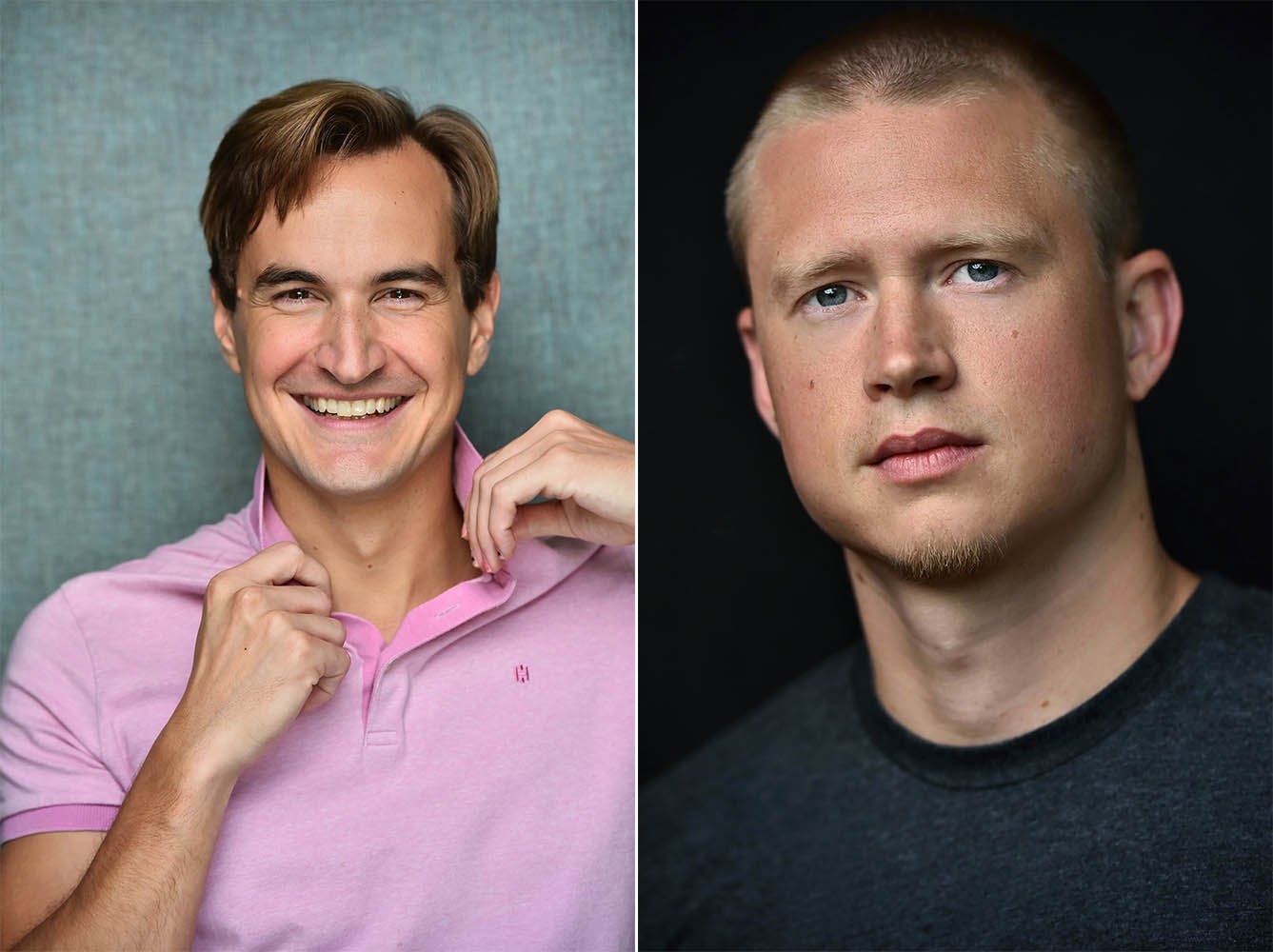
Posing for Commercial vs. Theatrical
The full breakdown of what separates these two categories lives in Commercial vs. Theatrical Headshots. On the posing and expression side specifically, it's less about a different set of positions and more about range. Commercial tends to give you permission to communicate more outwardly, more of the face and body engaged, energy pushed toward the viewer. Theatrical often asks the viewer to come toward you instead, which is part of why I'll shoot it a bit closer and center it more on the eyes.
Wardrobe plays a role in reinforcing whether an image reads commercial or theatrical too, but that's a separate decision from how you're positioned. For that side of it, see What to Wear for Actor Headshots.
Should You Pose Differently for Different Character Types?
I don't push actors toward literal, costume-like posing for a type, crossing your arms to signal "authority," for example. The reason is simple: a casting type should come from the person, not from a symbol standing in for the character. Don't pose as a cop. Find what actually makes you believable as someone with authority, and let that come through instead. Confidence doesn't look like one specific thing.
If you haven't identified your casting type yet, How to Identify Your Casting Type for Actor Headshots is the place to start before a session.
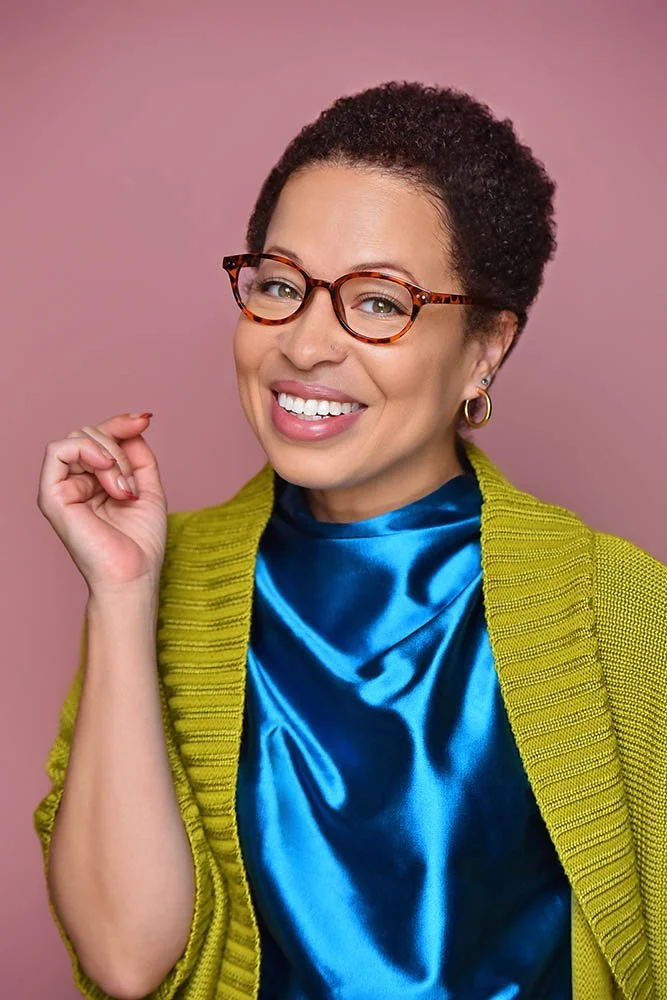
Should Men Pose Differently for Headshots?
Not really. The fundamentals, chin position, where you look, staying engaged rather than going stiff, connection over performance, don't change based on gender. What changes is styling and wardrobe to fit who the person is, not the underlying direction. You can see examples of how that direction translates in my men's actor headshots gallery.
The Biggest Posing Mistakes Actors Make
Most posing mistakes come down to the same root cause, thinking about the image instead of the moment:
Marrying yourself to a mirror-rehearsed look, one that doesn't survive a different lens and different lighting.
Letting your hands go dead, which reads as disconnected everywhere else too.
Faking a smile on command, which rarely produces something real.
A genuinely blank "neutral" expression, mistaking empty for serious.
Costume-y, literal type-posing that undercuts the authenticity it's trying to sell.
Treating posing rules as fixed instead of understanding why they exist.
The Bottom Line
Positioning matters. Chin, shoulders, hands, angle, all of it is part of a strong headshot. But the goal was never to master a set of poses. It's to stay present, and let your photographer take care of the mechanics.
Don't lie to the camera.
More Actor Headshot Advice
As a contributing writer for Backstage, I write about actor headshots and headshot photography. You can learn more about my background and approach, or browse the Actor Headshot Advice Library for more guides on preparing, planning, and choosing actor headshots.
Ready to Plan Your Headshots?
If you're preparing for a new session, explore my actor headshot portfolio or contact me to discuss what you need from your next set of images.