
Actor Headshot Examples: What Different Looks Communicate
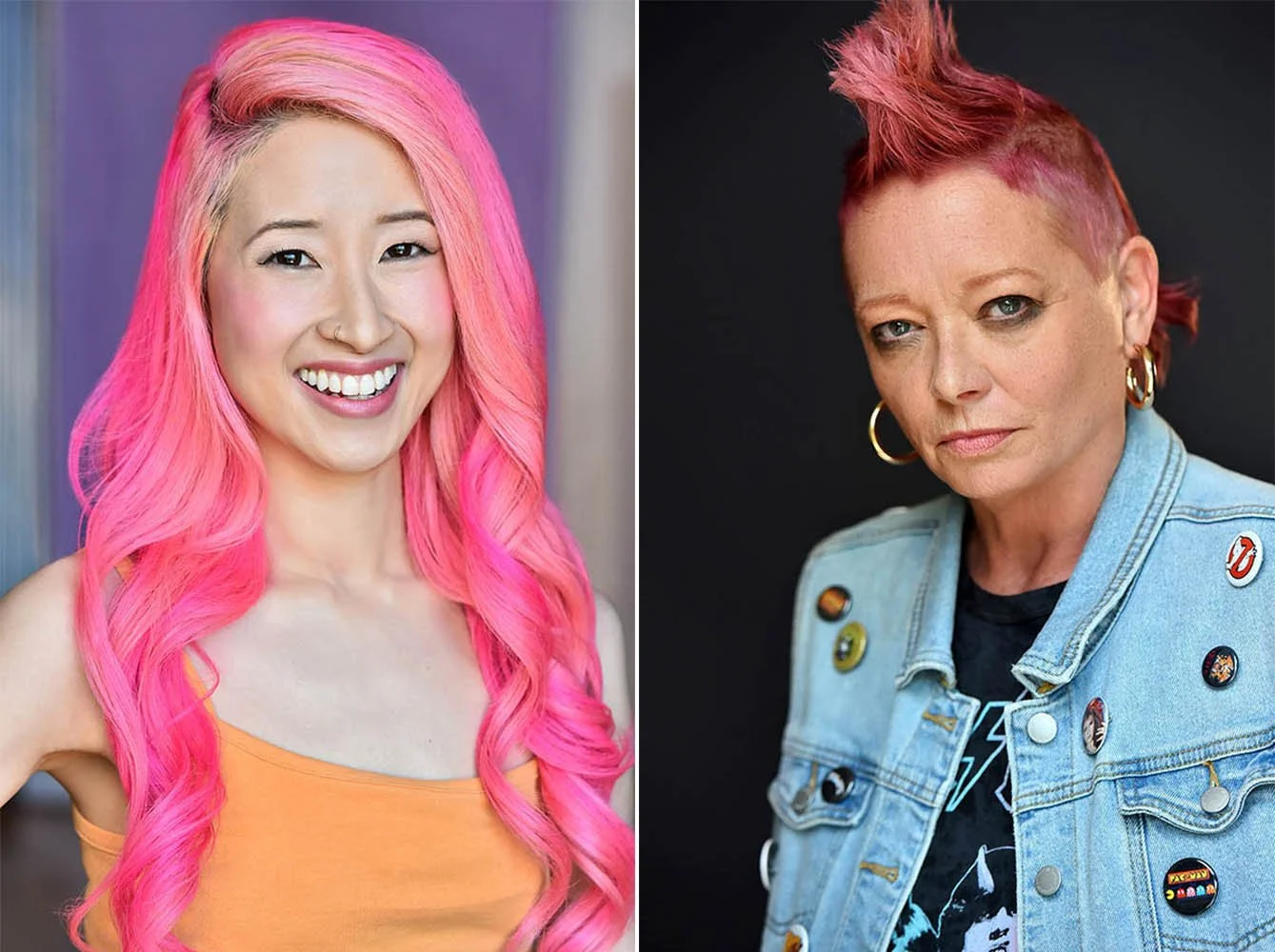
What Are the Different Types of Actor Headshots?
A headshot doesn't book the job, but it can help casting understand how an actor might fit a role. Different headshot styles communicate different things. Actor headshots can serve several different purposes. For this article, the examples below are grouped into four useful categories: commercial, theatrical or dramatic, character, and comedic or quirky.
These categories aren't a substitute for understanding your own type. There are levels within each one. A theatrical headshot might belong to the confident, striking leading man or woman, or to the broken, more mysterious character type. The groupings here are about overall mood, meant to support the kinds of characters a person plays rather than replace that thinking. Crossover happens. If a shot is doing its job, don't rule it out just because it doesn't fall neatly into one category.
Cinematic is a related but separate idea, less a category of its own and more a style or approach that can show up within any of the four above. What Are Cinematic Headshots? goes deeper on what the term actually means and where photographers disagree about it.
Commercial Actor Headshots
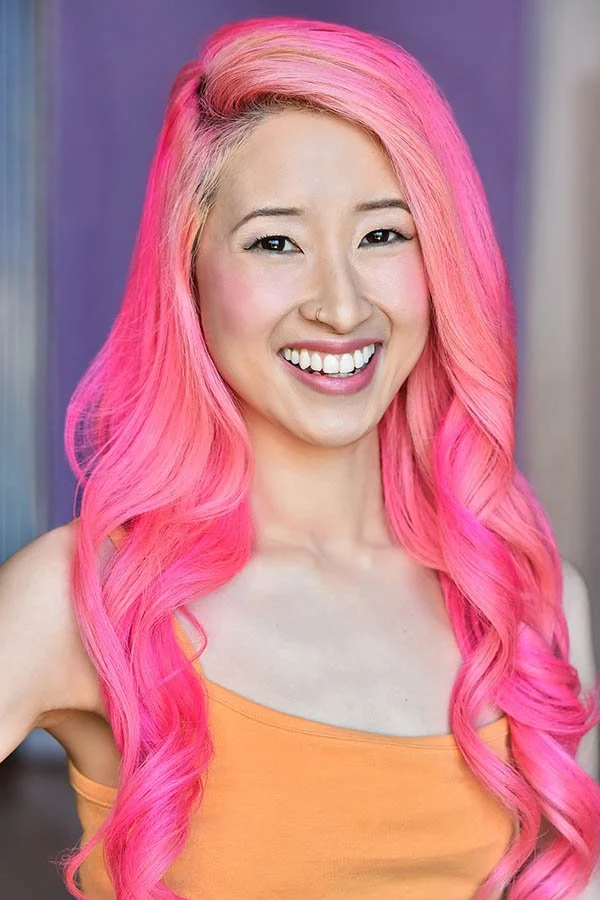
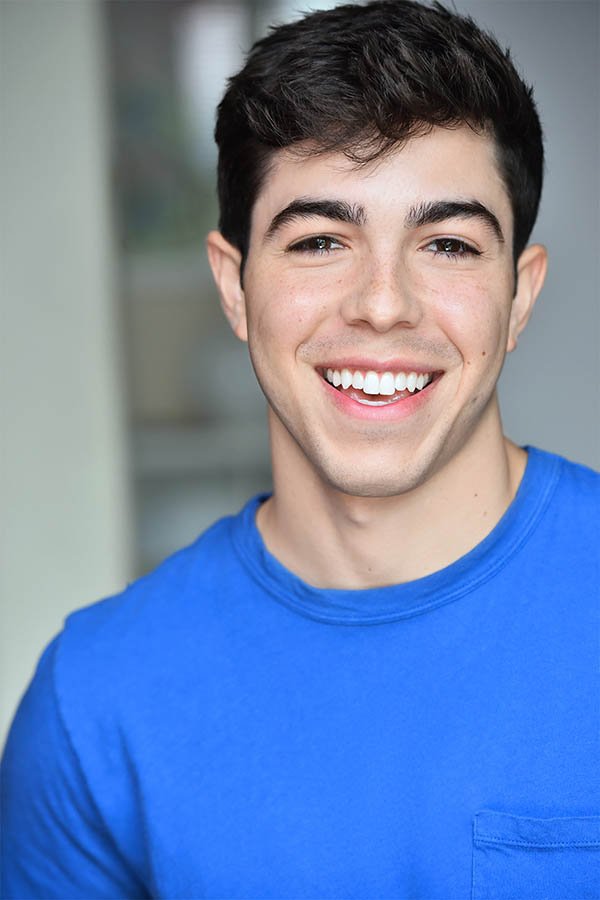
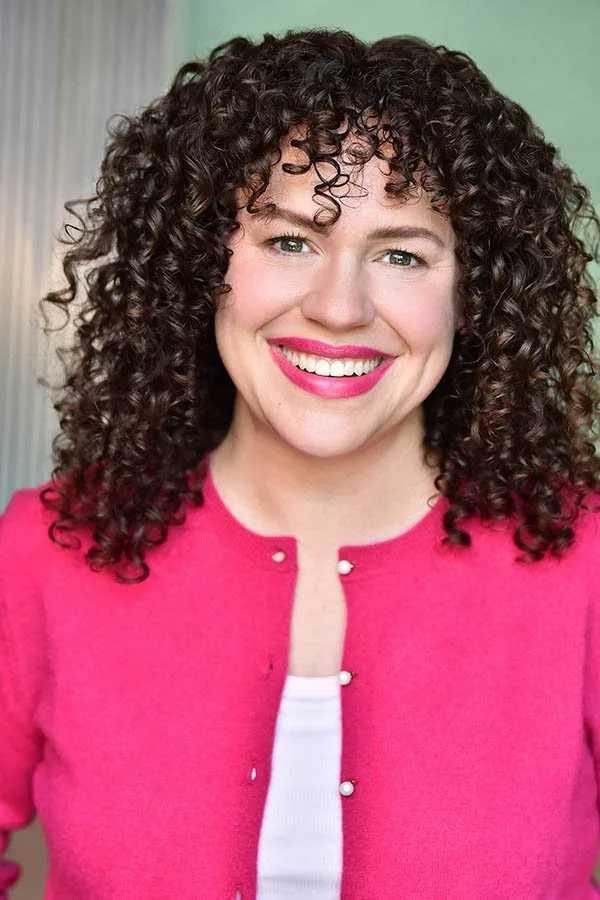
Commercial headshots are built around warmth and immediacy. A commercial has seconds to sell an idea, and the headshot works the same way: the goal is approachability that reads instantly.
Warmer, friendlier colors and brighter, more even lighting tend to support that read, though the right energy always depends on the actor's own personality.
Wardrobe and background stay simple. Nothing in the frame should outshine the actor.
The technical choices support the shot. The actor still has to carry it.
Choosing the right background is its own decision, not just a simple/busy split, see Actor Headshot Backgrounds: What Works and What Doesn't for how separation, wardrobe, and mood factor in.
Theatrical Headshots (Sometimes Called Dramatic Headshots)
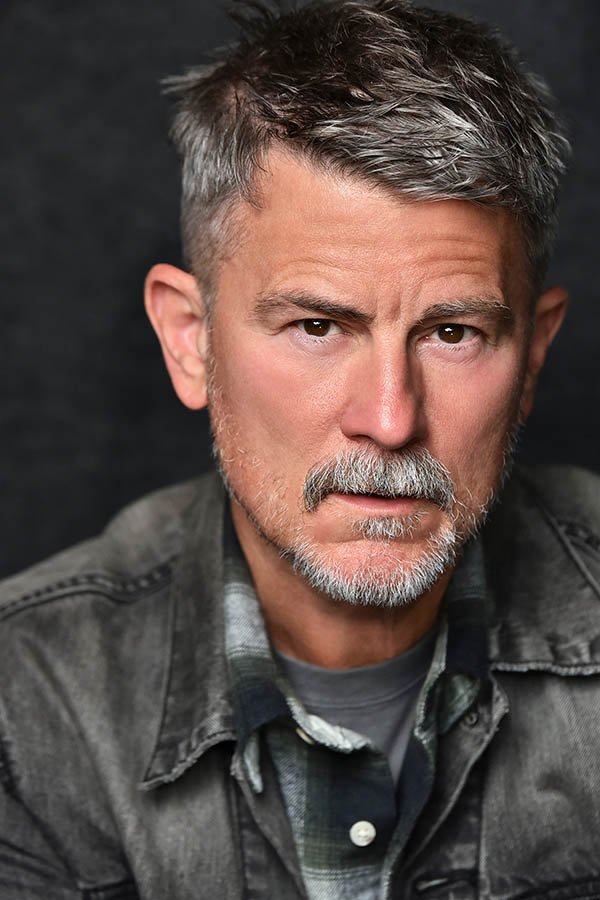
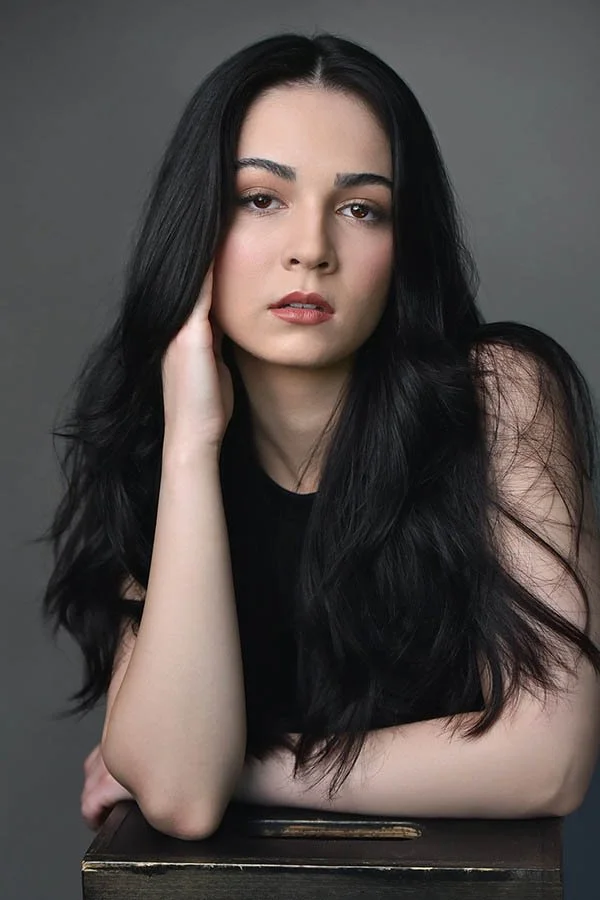
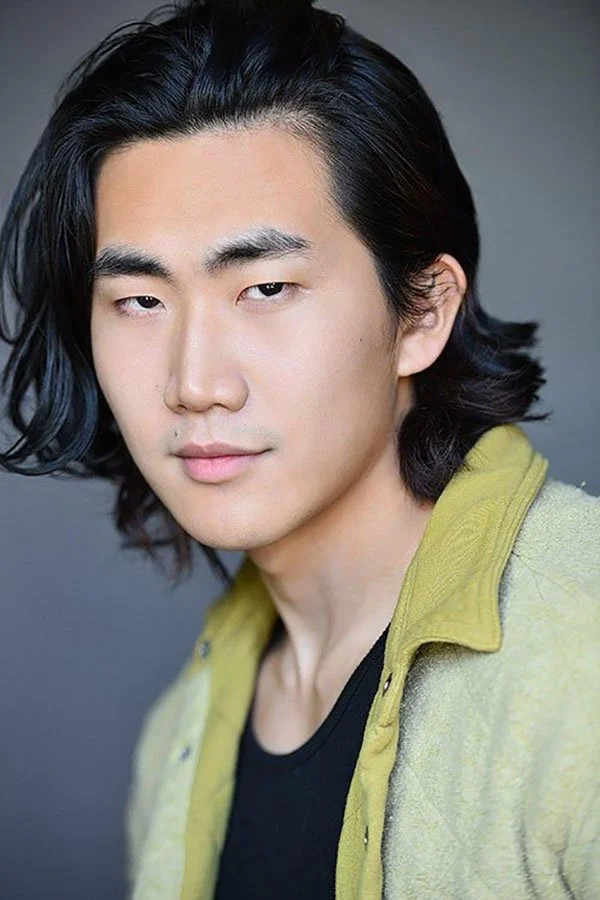
For the purposes of these examples, theatrical and dramatic headshots are grouped together. A dramatic shot can still carry warmth. The real difference is that it tends to feel moodier and more grounded.
Expressions feel stiller, and lighting leans toward higher contrast.
Wardrobe recedes rather than competes with the face.
These photos are built for material with more weight to it, film and television drama in particular.
Character Actor Headshots
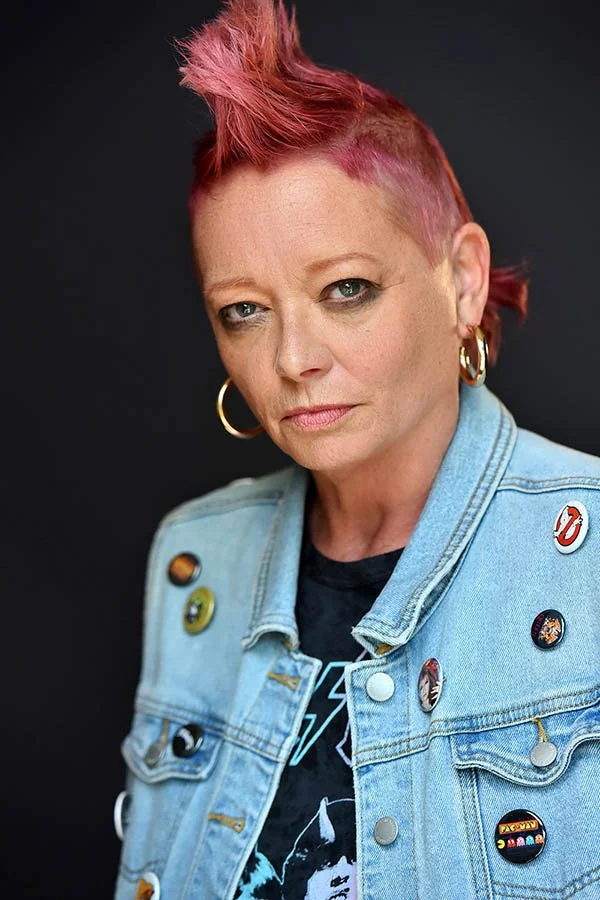
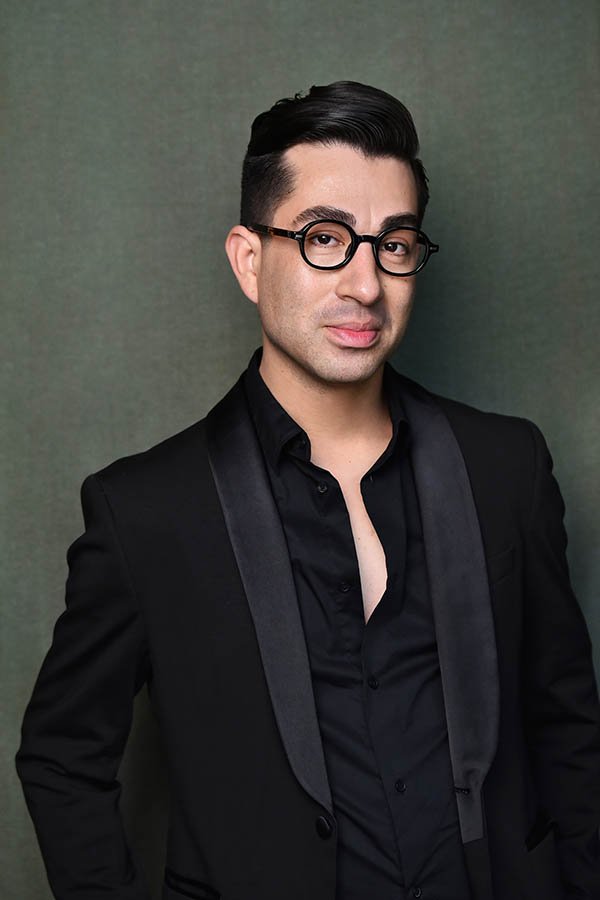
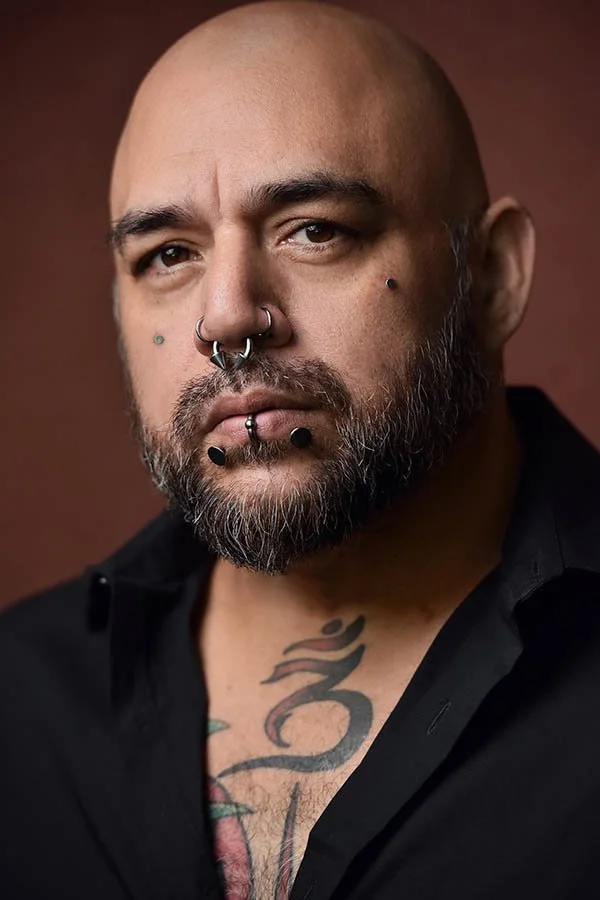
Character headshots are built around a more specific type or quality than a straightforward general headshot. Where a commercial or theatrical shot represents the actor broadly, a character shot is built around a defined type: a detective, a corporate executive, an edgy villain, or another clearly recognizable role. It's a narrower, more deliberate choice, and it isn't for every actor or every stage of a career. But for someone who knows they've got a specific lane, or wants to test one, it's a useful tool.
Character doesn't mean costume or caricature. It means leaning deliberately into something specific and recognizable rather than aiming for a conventional, generalized look.
Wardrobe, lighting, and expression work together to suggest a defined archetype or niche role: a detective, a corporate executive, an edgy villain.
The goal is still to represent the actor accurately, but with the styling, expression, and direction pushed toward a more specific casting possibility.
Comedic and Quirky Actor Headshots
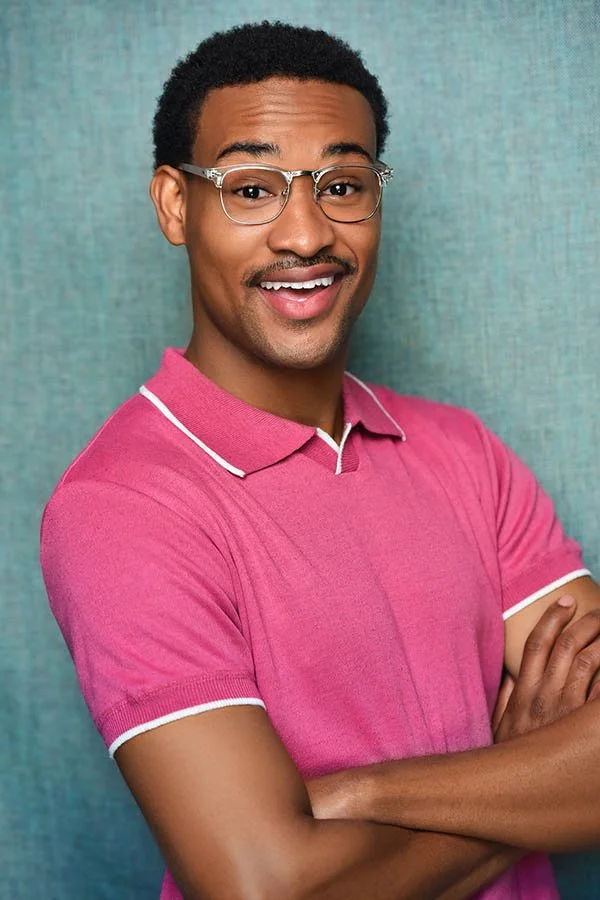
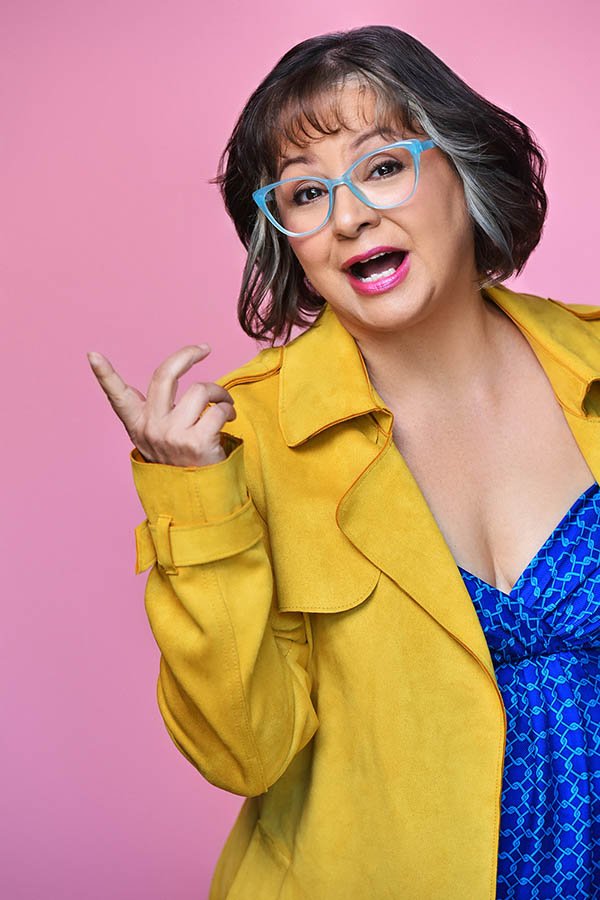
Comedic headshots often share some ground with commercial work, particularly when the comedy is warm and approachable. Commercial work often benefits from broad approachability, while comedy can push further, leaning into a specific point of view or personality type rather than general likability.
That specificity means a comedic headshot can sometimes function as a type of character shot; the same instinct toward a defined, recognizable type is at work, just aimed at getting a laugh instead of a chill.
The best comedic shots suggest a personality or a moment, not just a big smile.
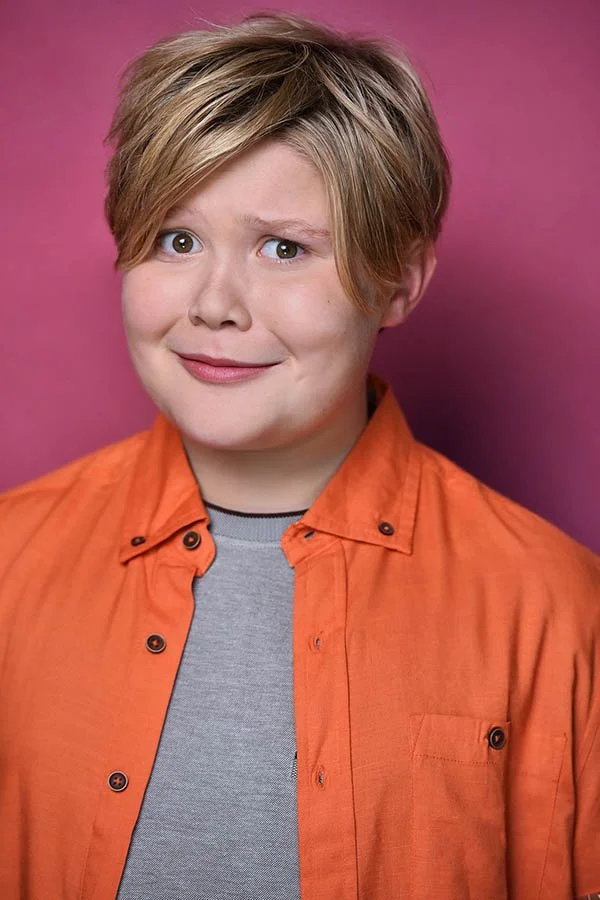
Actor Headshot Examples: Comparing the Different Types
Set side by side, the differences are less about smiling versus not smiling and more about what each photo is doing. Commercial headshots aim for instant warmth. Theatrical headshots read quieter and more contained, letting mood carry the weight instead of a big reaction. Character headshots lean into specificity over polish. Comedic headshots imply a moment or a personality rather than general friendliness. The same actor could photograph convincingly in more than one of these categories, since the choice comes down to directing, lighting, and expression, not a fixed idea of how someone looks. You can see how those choices translate across different actors in my women's actor headshots and men's actor headshots galleries.
How you're positioned plays into that too, see How Should Actors Pose for Headshots for how body language and expression shape what each category communicates.
Which Type of Actor Headshot Do You Need?
Actors pursuing different kinds of roles may benefit from having more than one type of headshot in rotation. Commercial and theatrical looks are often useful starting points because they communicate different qualities. From there, it depends on the roles an actor is pursuing, whether an agent wants to push them in a specific direction, or whether there's a character type they know they fit but aren't getting called in for. That's usually when it makes sense to build out a more varied portfolio with character or comedic shots.
Deciding exactly how many looks makes sense for where you are is its own question, How Many Headshots Does an Actor Need? walks through that in more depth.
If you're not sure which combination makes sense for your submissions, browse the Actor Headshot portfolio, the Men's Actor Headshots and Women's Actor Headshots galleries directly, or book a session to talk through it before deciding what to shoot.
More Actor Headshot Advice
As a contributing writer for Backstage, I write about actor headshots and headshot photography. You can learn more about my background and approach, or browse the Actor Headshot Advice Library for more guides on preparing, planning, and choosing actor headshots.