
Actor Headshots vs. Modeling Headshots: What's the Difference?
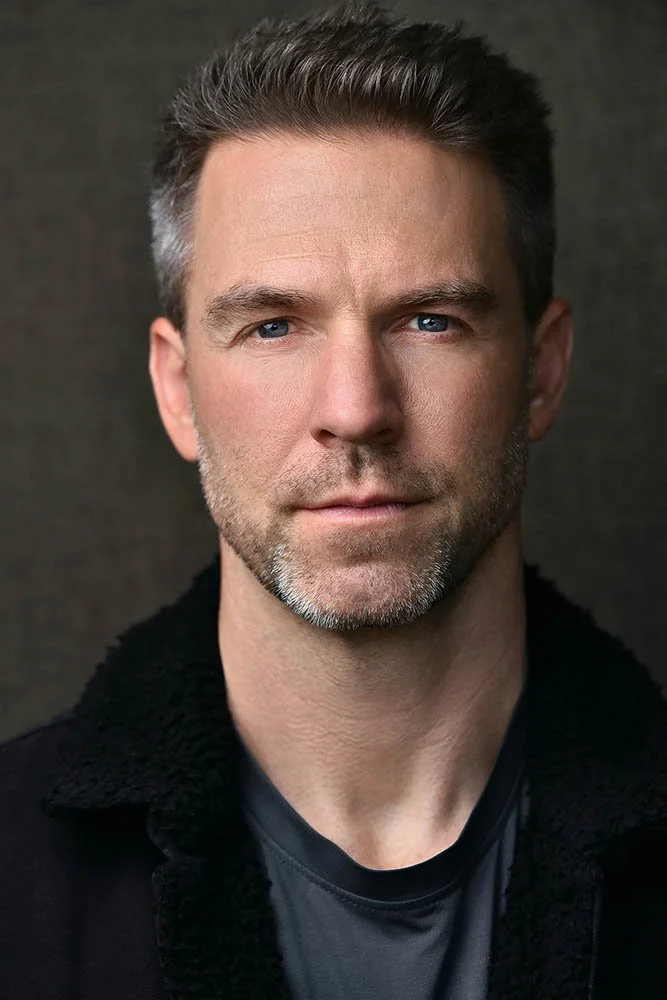
Every so often someone calls me asking for headshots, and as they describe what they want, it becomes clear they're picturing something closer to a magazine spread. That isn't a mistake on their part. "Headshot" gets used for a lot of different photographs, and "modeling headshot" may be the most confusing version of the term, because it can describe two kinds of images with nearly opposite goals.
Before I was behind the camera, I worked as an actor and model myself, first in New York and then in Los Angeles. I've been photographing actor headshots since 2005, so I've seen this question from both sides. I first wrote about it for Backstage in 2020, and a lot has changed since then. Here's how I think about the difference, and how to make sure you're handing people the right photograph for the job.
Actor Headshots and Modeling Headshots Do Different Jobs
The most useful way to compare these photographs isn't by how they look. It's by what they're being looked at for. In practice, there are three different jobs:
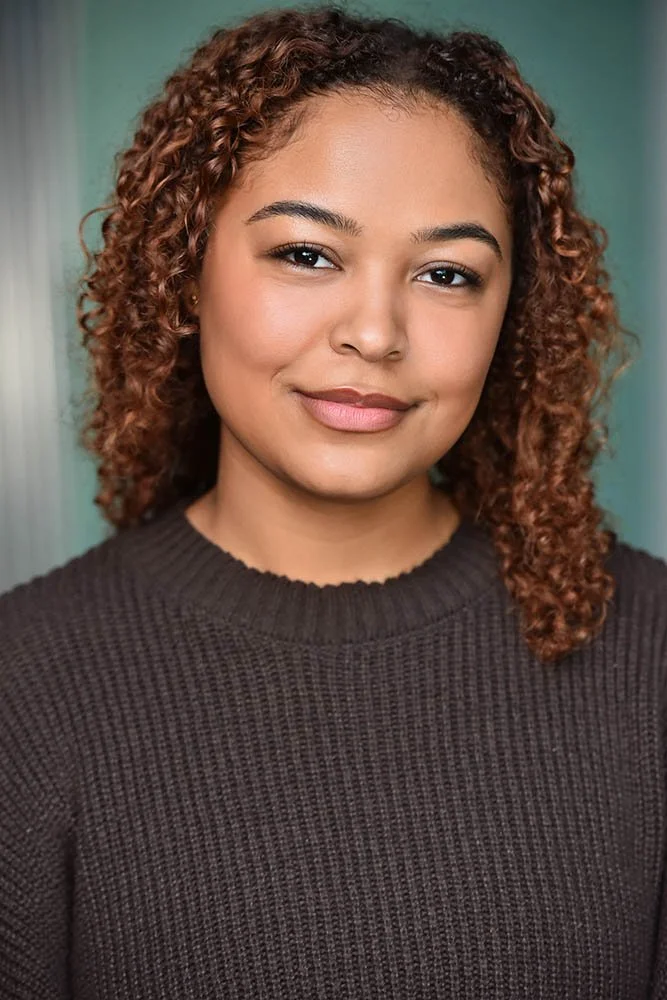
Actor headshot: a casting tool. It shows what you currently look like, along with your personality, your casting type and the energy you bring into a room.
Model digitals (also called polaroids): an evaluation tool. They're kept intentionally simple so an agency can see your current face, skin, hair and proportions with very little interpretation from the photographer.
Model portfolio, editorial and beauty photographs: a demonstration tool. They show how you photograph once styling, wardrobe, makeup, lighting and creative direction come into play.
A lot of the advice online about "modeling headshots" seems contradictory because it's describing different jobs. Advice about digitals and advice about editorial photos can sound like opposite instructions, because in many ways they are.
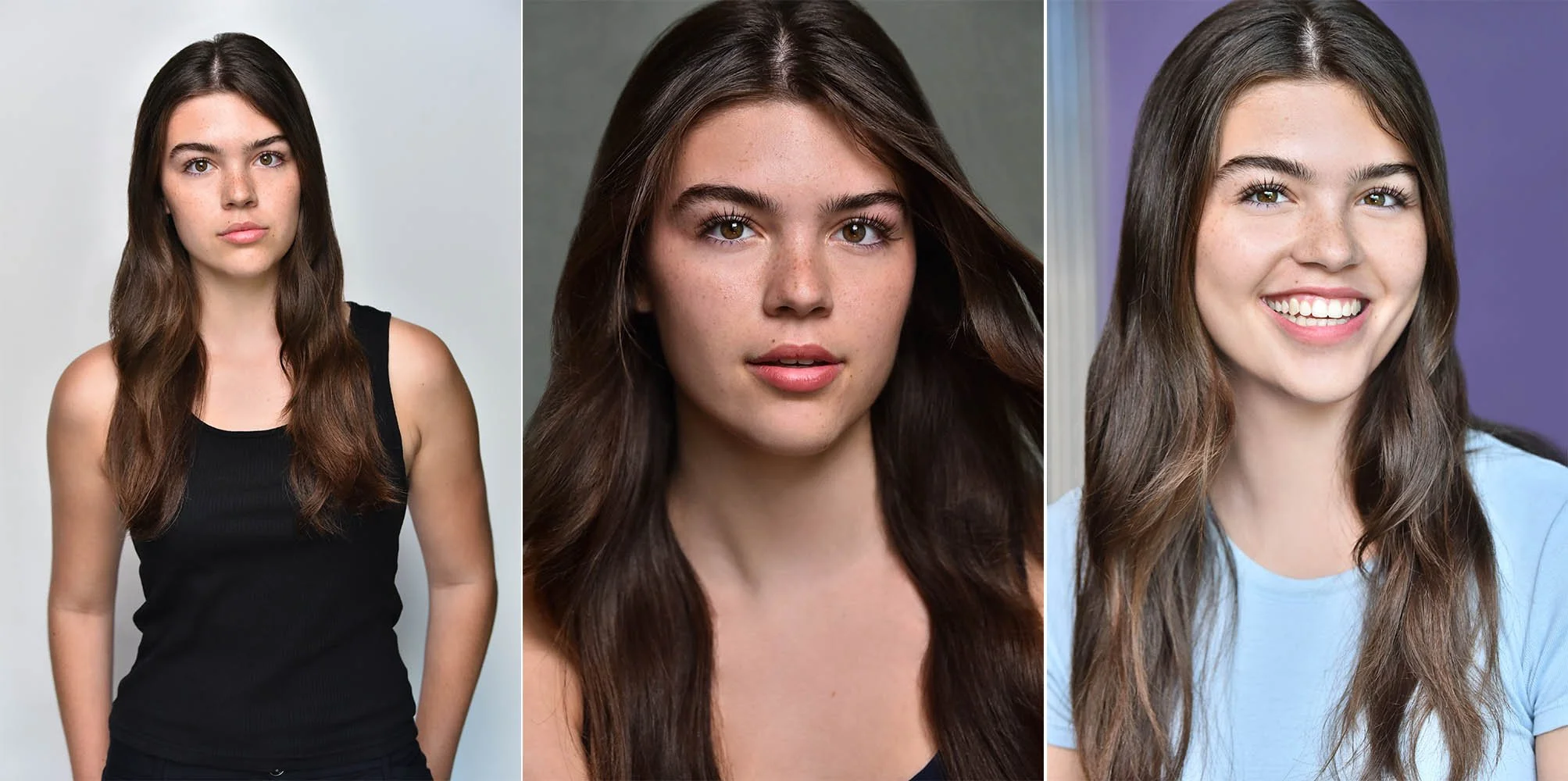
A model digital / A dramatic actor headshot / A commercial actor headshot
What Is an Actor Headshot?
An actor headshot is professional casting material. It has to look like you, but accuracy alone isn't enough. A good headshot also says something about who you are: your personality, the kinds of roles you fit and how you carry yourself. I go deeper into that in What Makes a Good Actor Headshot?
The standard I hold my own work to is this: what I see and feel in the photograph should be what I see and feel when the actor walks into the room and performs.
That's where actor headshots part ways with a lot of modeling photography. A still photograph can amplify qualities through lighting, styling and direction. With an actor headshot, though, I want those qualities to remain recognizable when the actor starts moving, speaking and performing.
So here's the test I use. If you couldn't play the person in your photograph on video, it probably shouldn't be your actor headshot. You're presenting both the image and the personality behind it, and the two need to match.
What Is a Modeling Headshot?
"Modeling headshot" isn't one thing. Some people use it to mean model digitals, the plain, current-appearance photos agencies ask for. Others mean a polished beauty or editorial close-up. Before you book anything, find out which one you, or the agency you're working with, actually means.
Model Digitals vs. Model Portfolio Photos
Digitals are stripped down on purpose. Common guidance calls for simple or fitted clothing, natural hair, little or no makeup, a plain background, straightforward angles and little or no retouching. A set usually includes some combination of a close-up, a profile or three-quarter view and full-length shots.
I think of digitals as a blank canvas. They show an agency your current, natural appearance, so a creative team can imagine what they might build around you. When I photograph digitals, the goal is fresh, healthy-looking skin and as little else in the way as possible.
Exact requirements vary by agency. I'll be honest: I work mostly with actors, so I can speak to what these photographs look like and what they're for, but not to what any particular agency will accept. If an agency gives you instructions, follow them over anything you read here.
Portfolio, editorial and beauty photographs do nearly the opposite job. They can show what you do with the world you're given: how you move in clothes, how you sell a concept, and how you photograph under different styling and creative direction. A portfolio may show wide range, although how much range matters depends on the kind of modeling you're pursuing.
Actors need range in their headshots too, but with a limit. In a modeling portfolio, styling, creative direction and the model's own performance can create considerable transformation. In an actor's headshots, every look still has to feel like something the actor can genuinely play on camera.
Actor Headshots vs. Modeling Headshots: The Key Differences
Some of these differences are fairly clear. Others come down to how I work, and I'll say which is which.
Where the Attention Goes
This is the biggest difference in my process. When I'm photographing an actor headshot, I'm thinking about how to minimize every element in the frame except the actor. Everything should lead to the feeling behind the person's eyes.
In fashion or editorial work, I'm thinking about how the environment, lighting and styling can make the image more striking. The model's job is to serve the world of the photograph, whether that's clothing, a product or a mood. Doing that well is a real skill. A model has to know how to show a garment or handle a product. In an actor headshot, the actor is the subject.
Expression and Eye Contact
For actor headshots, I generally prefer the actor looking into the camera. To me, that's where the connection with the person viewing the photograph happens. It's a strong preference, not a law. I've seen headshots where the actor wasn't looking at the lens and the image still pulled me in, because it felt like they were living inside a moment and I wanted to be in that world with them. In my experience, those images tend to work best alongside more direct headshots rather than in place of them.
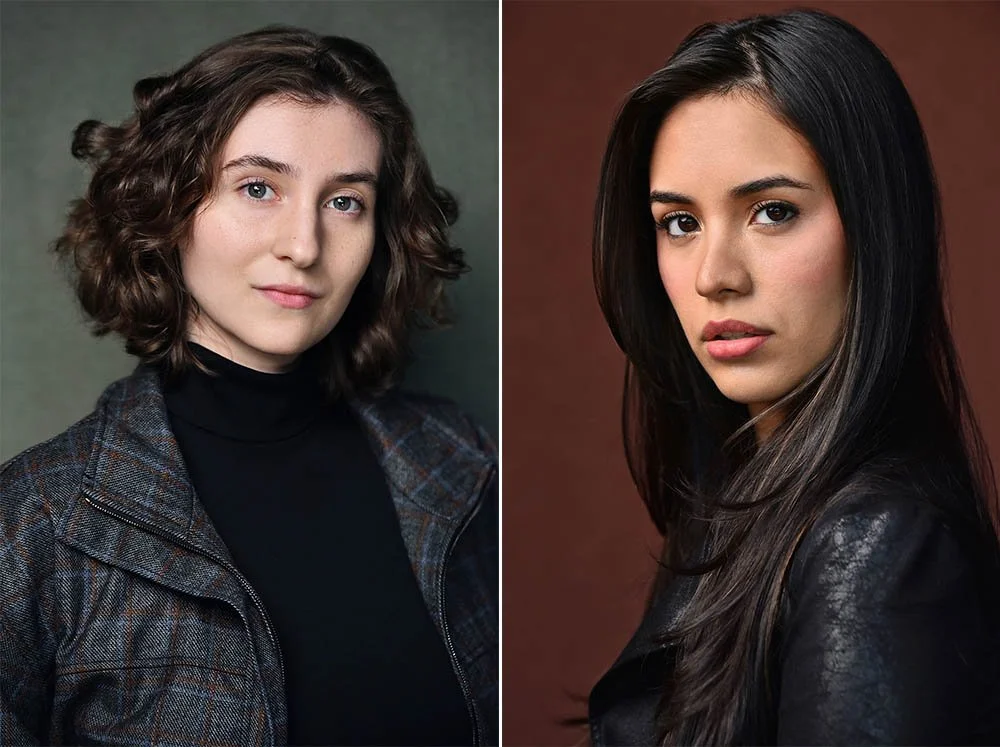
Digitals are usually straightforward, but portfolio and editorial photographs have more freedom here. Looking away, or holding an expression that serves a mood more than a personality, can be exactly right for the image.
Posing and the Body
With actors, I'm not really thinking about posing. I'm thinking about personality, and authentic posture usually follows. I'll step in if someone is placing themselves at an unflattering angle, but I don't automatically correct what's natural to them, because the way someone holds their body says something about them.
An actor who plays broken characters may sit a little slumped. An actor who plays type A personalities may be a little too upright. That's often how those people really carry themselves, and it can help the headshot tell the truth. There's more on this in How Should Actors Pose for Headshots?
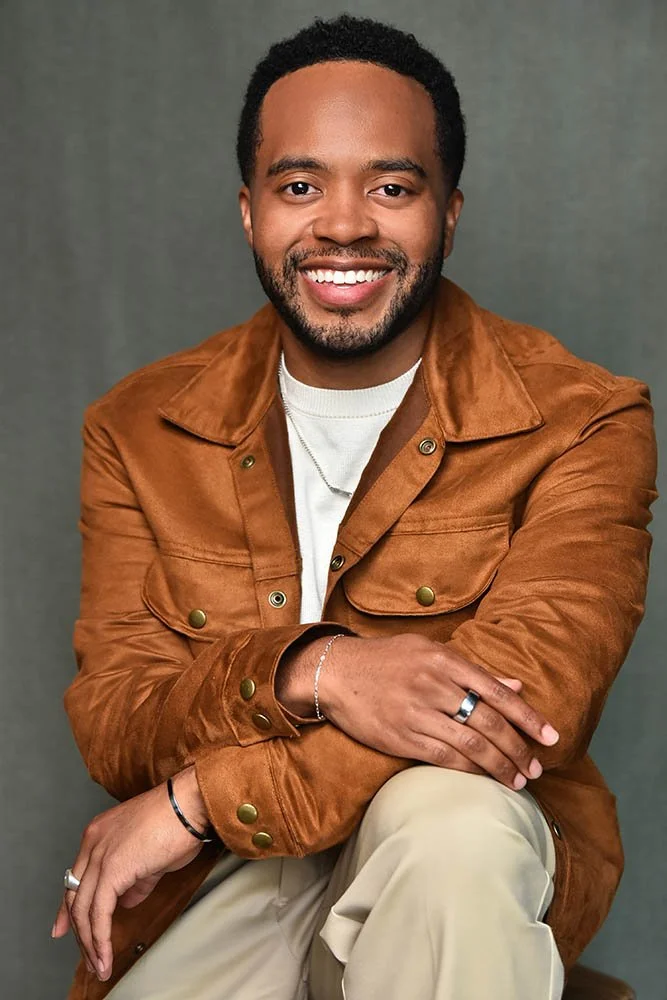
In fashion and product work, the body serves the purpose of the image. If the clothing needs to look amazing, or the product is meant to project confidence, the model's posture has to deliver that.
Lighting
Actor headshot lighting has become more creative, and I think headshots can borrow a little from editorial work. Mood and framing can add to what a headshot says about someone. I write more about that in What Are Cinematic Headshots?
The line I watch for is the difference between mood and disappearance. Lighting can create atmosphere, but if it hides too much, the viewer can't see who they're getting. In editorial work, lighting can be as dramatic as the concept calls for. In digitals, it's usually plain and even.
Hair, Makeup and Wardrobe
Editorial photography has the most room for transformation, because documenting the model's everyday appearance isn't necessarily the photograph's primary job. Digitals sit at the other end: little or no makeup, simple clothing and natural hair. Actor headshots fall in between. Hair, makeup and wardrobe can help, but the result should still look like the person who shows up to the audition.
Retouching
The same pattern holds. Editorial photography generally allows more interpretive retouching, because the finished image may be serving a creative concept. With actor headshots, my standard is much narrower: clean up what's temporary without changing the person. Digitals are typically expected to have little or no retouching at all.
What Makes an Actor Headshot Look Like a Model Shot?
Agents and managers often send actors to me with a specific request: don't give them a model headshot. Sometimes they tell me other photographers keep shooting their client like a model, and they want something more authentic. It's worth describing what I see in those photographs.
Usually it's some combination of these:
The image prioritizes polish or attractiveness, and not enough personality comes through.
My eye goes to the clothing, the location or the lighting before it goes to the eyes.
The expression is too smoldering. It reads as a mood more than a person.
The photograph builds a world but doesn't bring me into that specific person.
I may still feel the humanity in an image like that, but I don't feel like the person in it is talking to me. None of those choices is wrong in a creative photograph. They just aren't doing the job of an actor headshot.
Actors also ask me for model headshots, and I usually take that to mean they want something more editorial, more like a magazine. When it genuinely suits the person, I lean into the more iconic, confident side of who they are, while keeping the focus on them rather than the styling around them.
Can You Use the Same Headshot for Acting and Modeling?
Sometimes, yes. It happened to me.
When I was working as an actor and model, I was photographed on a stock photography job, and one shot from that day clearly leaned editorial. You could still see my whole face, and it still looked like me. I was serious in it. My agent liked it more than anything from my headshot sessions, because it showed a side of me he saw that I hadn't shown in my own headshots. That summer I used it for both modeling and commercial acting work, including bright, upbeat commercials that didn't match its serious mood at all.
I think it worked because the photograph was honest. It looked like me, and it showed something true about me. That's one photograph and one person's experience, so I wouldn't build a rule out of it. But it's a reminder that conventions are worth learning well, and worth stepping outside of once you understand them.
In general, crossover is most likely with clean, natural portraits, the kind that can sit comfortably in both commercial acting and lifestyle modeling. Two cautions, though. An actor headshot doesn't automatically replace digitals when an agency asks for them. And a stylized fashion or beauty image may not tell casting what an actor headshot needs to.
What Should You Get If You Do Both Acting and Modeling?
Start by asking your representatives, or the agencies you hope to approach, what they actually need. Don't assume one photograph will cover every use.
You may not need a photographer for digitals at all. Many agencies say professional photos aren't necessary for submissions and accept simple phone photos taken in good natural light, with no filters or retouching. If an agency asks for straightforward phone snapshots, that's what you should send.
If you'd rather have digitals photographed professionally, they fit easily into an actor headshot session. They're simple, and when actor-models have asked me for them, we've shot them alongside the headshots. Editorial is different. It takes more planning, so if someone tells me ahead of time and we agree on the scope, I've done both in one day. If it comes up unexpectedly, I'd rather give the editorial its own day than throw it together in the moment.
If budget is a concern, don't assume every image needs its own professional shoot. Start with what your representatives or target agencies actually require, then spend where professional photography is doing a job you need. For actor headshots, my advice is to work with a photographer who knows the industry, even if that means saving up for a while. How to Choose a Headshot Photographer covers what to look for.
Know Which Job Your Photograph Is Doing
Actor headshots, model digitals and modeling portfolio photographs can overlap, but each is built for a different kind of evaluation. A digital shows what you look like right now. A portfolio image shows how you work inside a creative world. An actor headshot shows who will walk into the room.
If you do both acting and modeling, you can absolutely have both, ideally as two clear ideas rather than one image trying to be everything. At Marc Cartwright Headshots, actor headshots are the focus, and you can see more about how I approach those sessions on the Actor Headshot Portfolio & Sessions page. Whatever you hand in, know which job it's doing.